Wabi-sabi According to the aesthetics of Japanese culture, we seek imperfect things and honor old and impermanent things. Wabi Sabi style is a combination of Wabi - representing simplicity and rusticity, and Sabi - beauty honed over time. Wabi-sabi makes us realize the value of a simple and natural lifestyle.
In interior design, Wabi Sabi is characterized by the use of natural materials, neutral colors and simple designs. This style celebrates the beauty of old objects, takes advantage of natural light and eliminates unnecessary clutter. This creates a simple but impressive living space, close to nature and expressing the owner's personality.
Today's article by S-House will Explore in detail the origins, characteristics and how to apply the Wabi Sabi style in different living spaces such as living rooms, bedrooms, kitchens and bathrooms. We will also learn about the advantages and notes when designing in this style, helping you have a comprehensive view of Wabi Sabi and how to apply it to your living space.
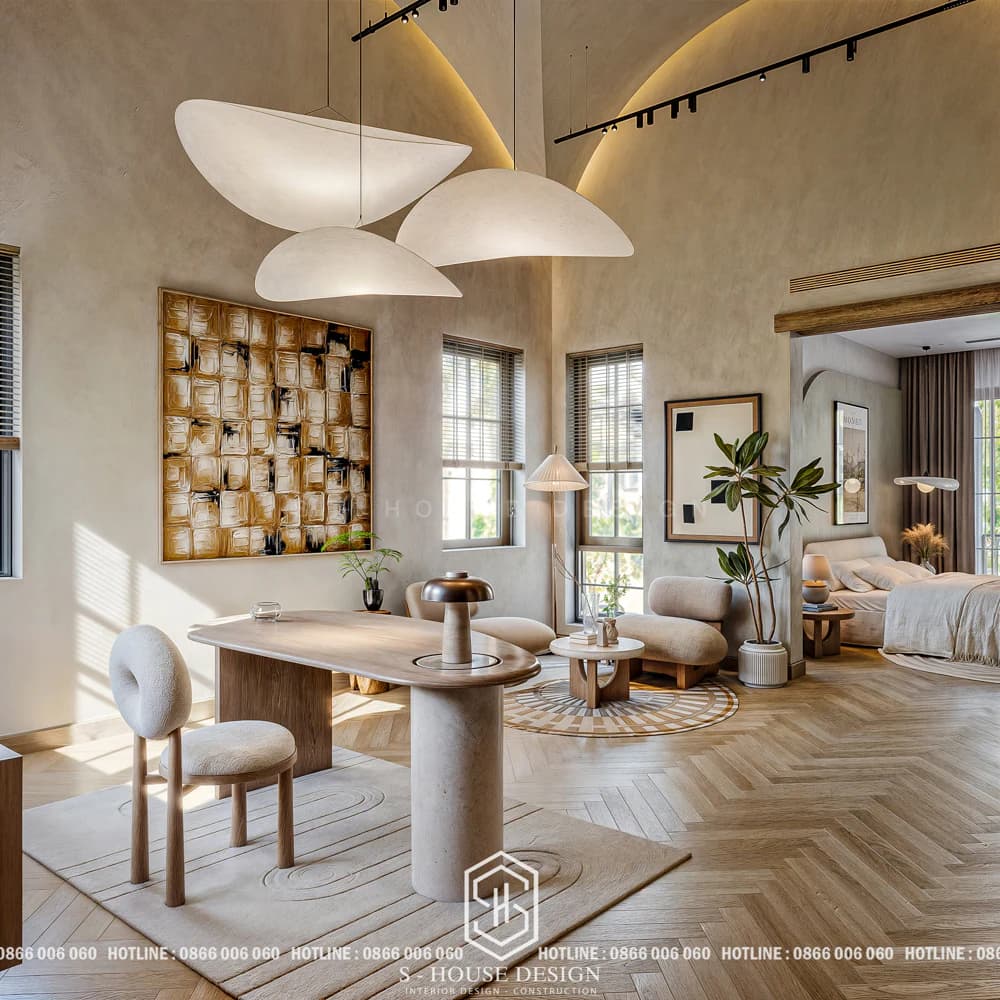
Wabi-sabi interior design style Beauty comes from imperfections
What is wabi sabi?
Wabi-sabi is a philosophy Japan has been around since the 15th century, This philosophy originates from the traditional tea ceremony (chanoyu) developed by Zen master Sen no Rikyu. It emerged as a counter-reaction to the dominant trends of the time – which relied heavily on excessive decoration, luxury and ostentation of the nobility and use rare materials. Wabi-sabi Find beauty in imperfection. While symmetry, clean lines and “completeness” in design are dominant concepts around the world, wabi-sabi holds that perfection and completeness are an illusion and that people should accept and find beauty in the unfinished nature of their surroundings. For some, wabi-sabi is more of a guiding principle than a design trend.
From the center of imperfection, wabi-sabi-inspired ideas extend to natural materials, reuse, asymmetry, minimalism and creating a connection with nature – the ultimate epitome of imperfect beauty.
Conceptually, wabi-sabi is a combination of two words:
+ Wabi - is a term to refer to a simple, rustic life, modest in material things but full in the soul.
+ Sabi - is beauty honed through hands but tinged with the color of space and time.
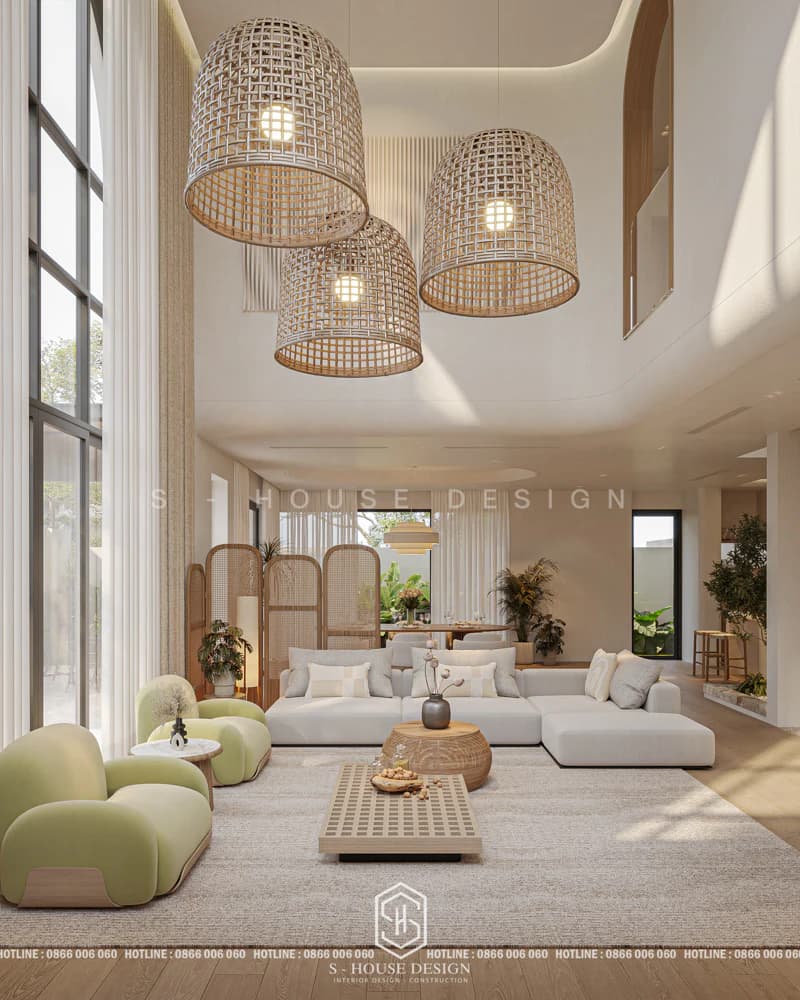
Wabi-sabi style appreciates the old and rustic
The wabi sabi philosophy is deeper than a purely aesthetic style, but a way of looking at life. It encourages people to contemplate change, accept the transience of things, and find beauty in imperfection.
>>>See more : Top 12 hottest interior design styles today
Where does Wabi Sabi style originate?
Wabi Sabi style comes from the Zen method in Buddhism in the 12th century. Later, Zen master Sen no Rikyu developed this style of tea ceremony, based on the philosophy of harmony, purity, devotion and simplicity.
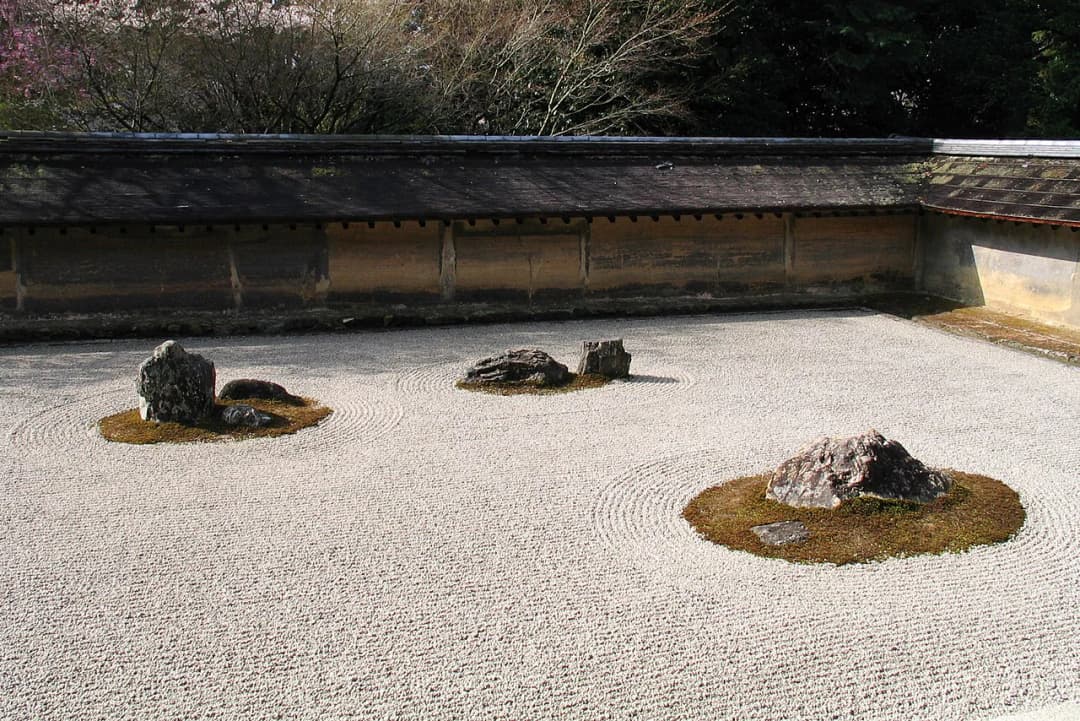
Zen garden at Ryōan-ji. This structure was built during the Higashiyama period. The clay wall, colored over time with subtle brown and orange tones, reflects "wabi", and the rock garden reflects "sabi".
In interior design, the typical application of Wabi Sabi style is to prioritize the use of natural items, creating a minimalist, natural living space, appreciating the old beauty that has existed through the years.
What is wabi sabi interior design style?
In recent years, Wabi Sabi has gone beyond the scope of a design term to become a profound philosophy of life in the context of modern society. It is like a spiritual liberation for people who are stuck in the spiral of perfection, bringing a peaceful and authentic living space.
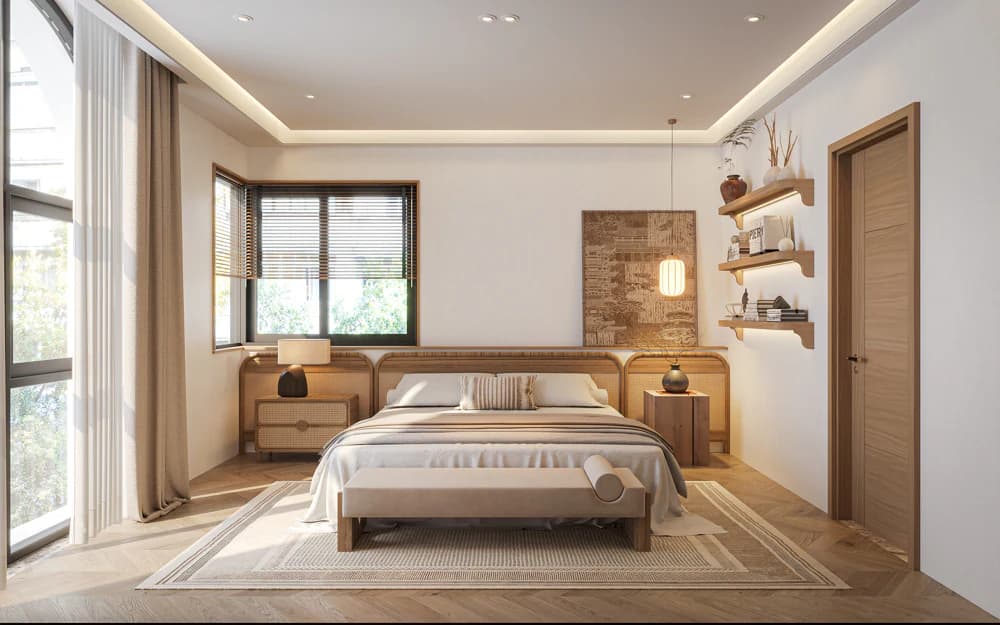
A Wabi Sabi room may have rough wood floors, clay walls, handmade ceramics, and soft lighting.
Wabi sabi interior style Focusing on a rustic living space, expressed through rustic interior materials such as wood, stone and ceramic, using gentle neutral colors to create a unique aesthetic. Wabi-Sabi is not only a design but also a philosophy of life, encouraging us to appreciate simplicity, contemplating the exquisite beauty in simple and fleeting details.
>>> See more: Neoclassical interior - timeless value of upscale beauty
What are the characteristics of Wabi Sabi style in interior design?
Born from people's own lifestyle, like minimalism, Wabi Sabi interior carries with it a humane philosophy of life, connecting people with living space in a comprehensive and profound way. Below are 7 characteristics of Wabi Sabi style in interior design:
1. The beauty of imperfection
Wabi Sabi style especially appreciates naturalness and traces of time. When choosing materials, architects prioritize materials with rough surfaces, so we often see cement wall structures in Wabi Sabi style interior design. This beauty also lies in cracks on ceramics, grain lines on natural wood furniture, uneven paintings, rough stone countertops or walls that fade over time.
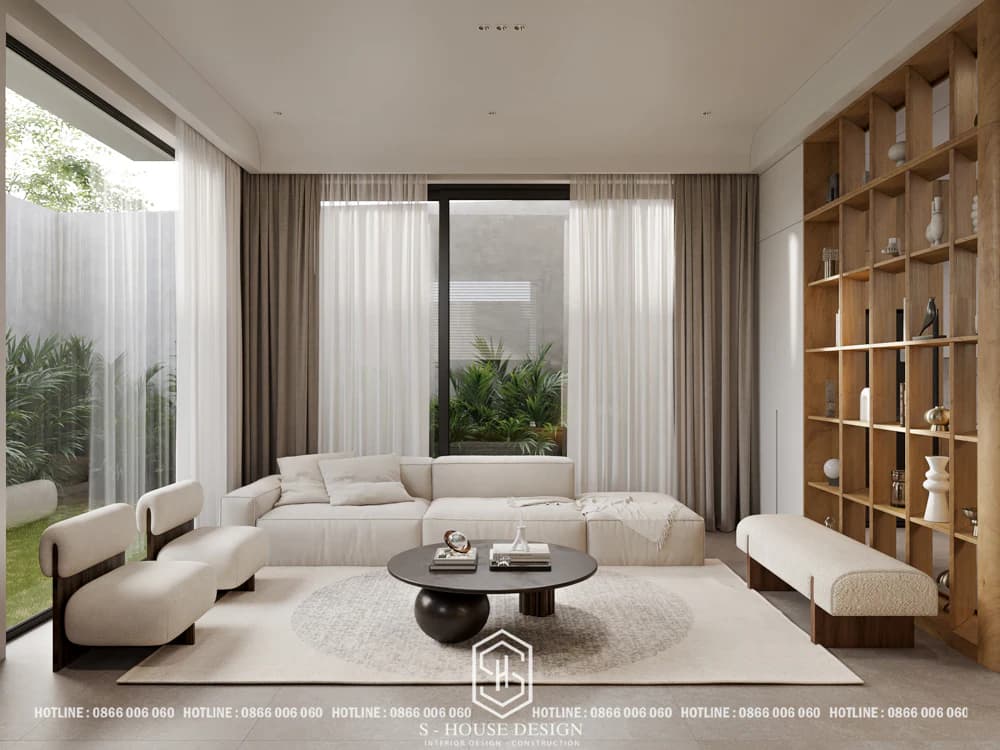
2. Neutral and natural colors
The colors in Wabi Sabi design are inspired by nature. Wabi Sabi interior style Prioritize neutral colors - warm brown of old wood, gentle gray like gravel, creamy white like washi paper. There is no glare or ostentation of colorful colors in Wabi Sabi design. Each shade is delicately chosen, reflecting a deep connection to the surrounding natural world.
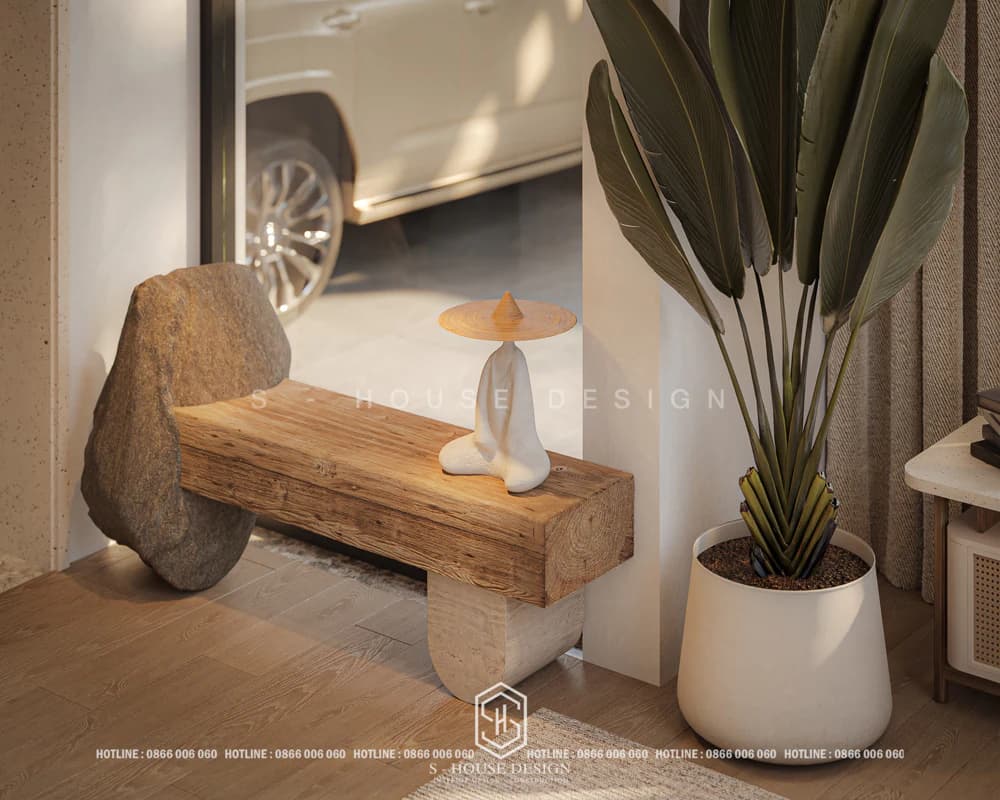
Wabi sabi interior style prioritizes the use of neutral colors using natural colors
3. Raw and natural materials
Wabi Sabi style Prioritize the use of natural materials such as wood, stone, clay, raw metal, brocade,... with almost no processing, cleaning or polishing process. These materials preserve their pristine beauty and natural color, authentically conveying traces of wear and deterioration over time. Materials with pristine beauty, not honed or polished, but have a very unique, extremely delicate beauty. The raw wood is left intact, revealing the grain and wrinkles of time. The stone is placed in one piece, without excessive grinding. Bamboo, paper, and other natural materials are respected for what they are. There is no alteration or excessive intervention, but complete honesty.
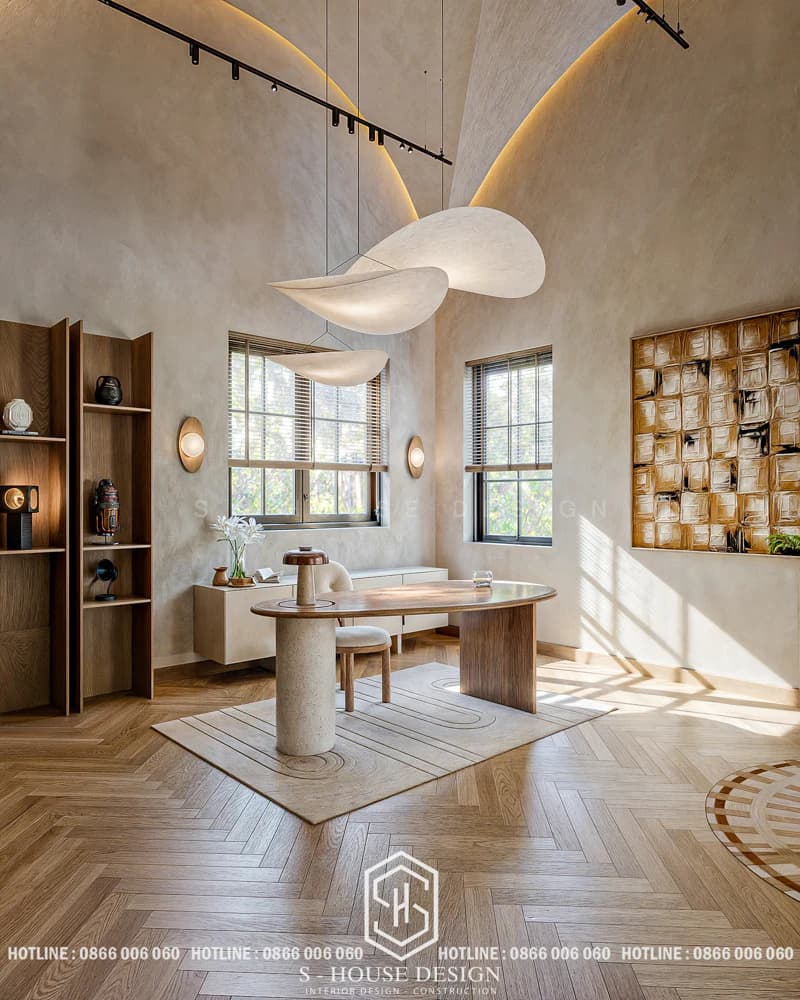
Wabi sabi style interior Use brocade furniture as a highlight
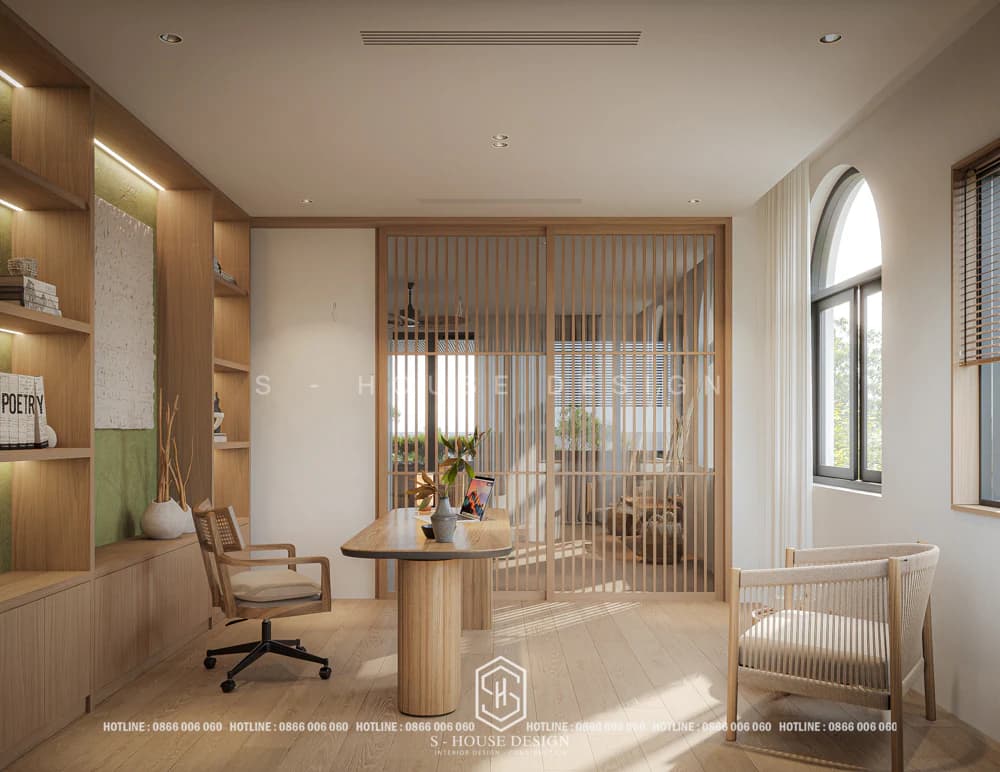
Wood is used as the main material in Wabi sabi style design
4. Minimalist and purified design
Wabi Sabi style aims for simplicity and harmony. The space is designed with minimalist principles, eliminating all redundant details. Each item is carefully selected, has its own meaning and value, creating serenity and depth.
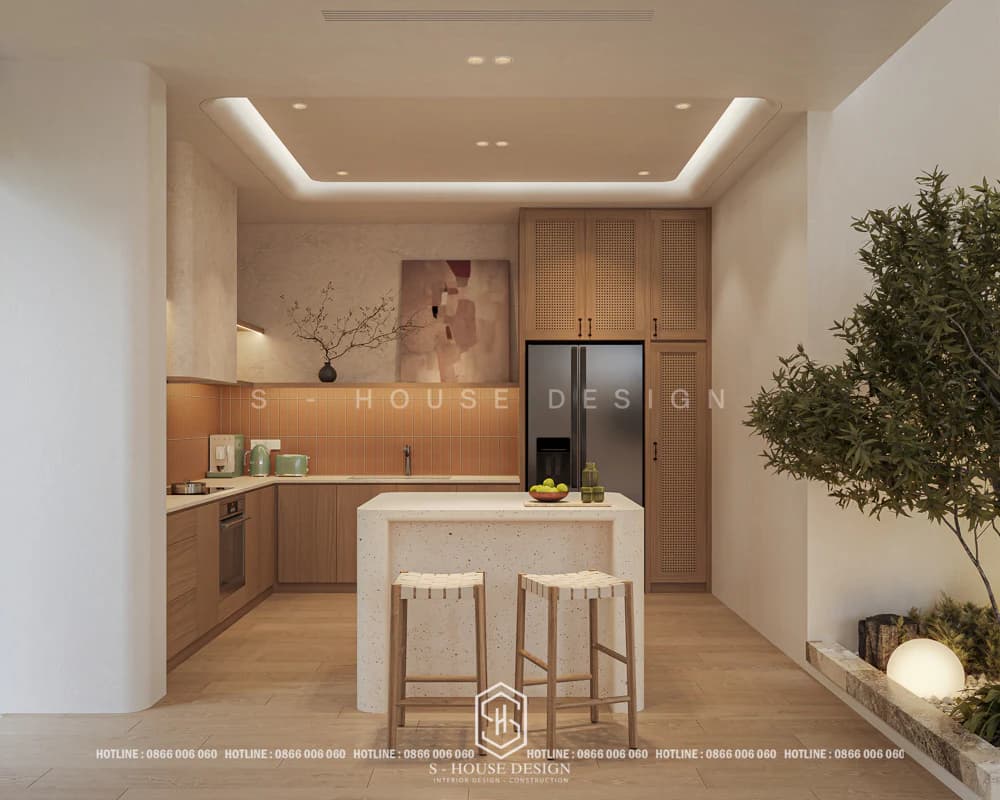
Wabi Sabi bedroom is simple and comfortable
Minimalism in Wabi Sabi is not emptiness, but subtle purification. Each space is designed to be airy, so that every detail can breathe. The items are chosen not for their ostentatiousness, but for their useful value and profound meaning. Everything is kept in its most original state, speaking of internal value rather than appearance.
5. Natural light in Wabi Sabi space
Taking advantage of natural light sources is also essential in designing space in the Wabi Sabi style. Natural light brings vitality to the space, creating ventilation and coolness. Besides natural light, you can use lamps and candles to help the space be fully illuminated.
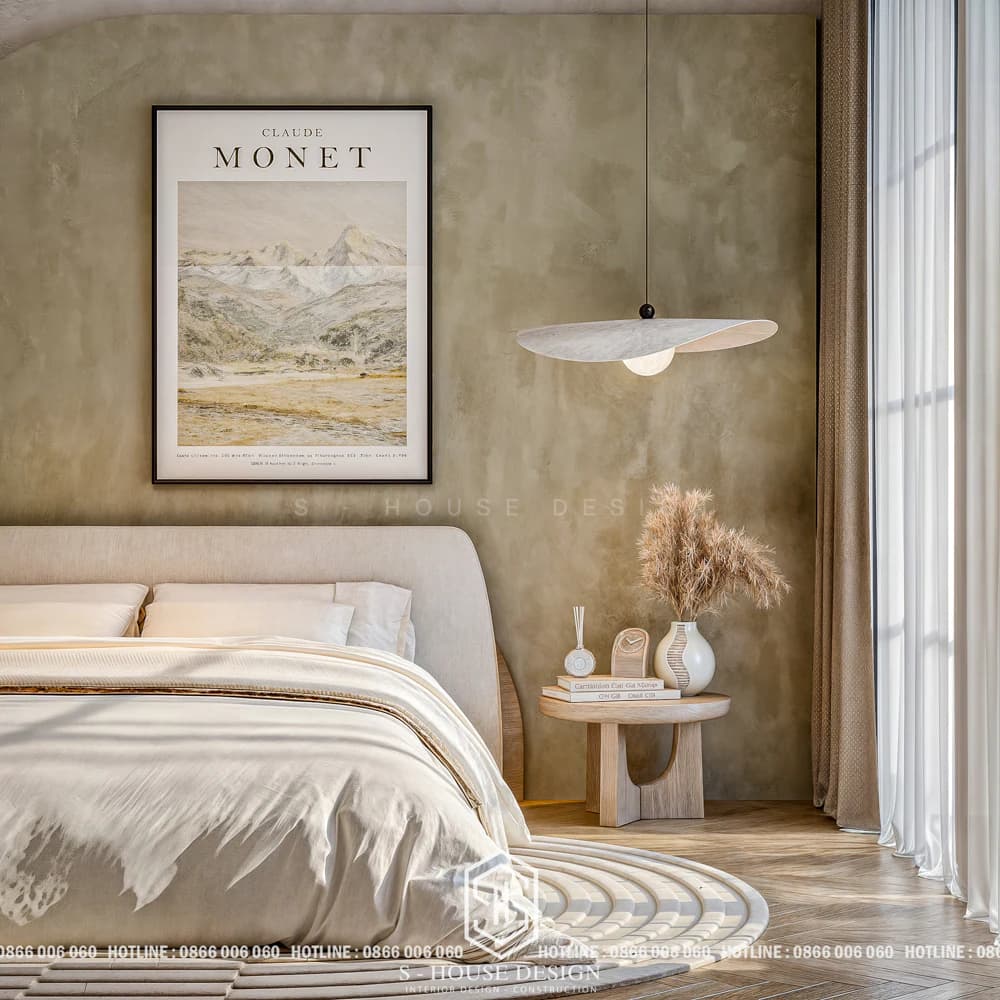
Natural light floods the wabi sabi bedroom with large glass doors
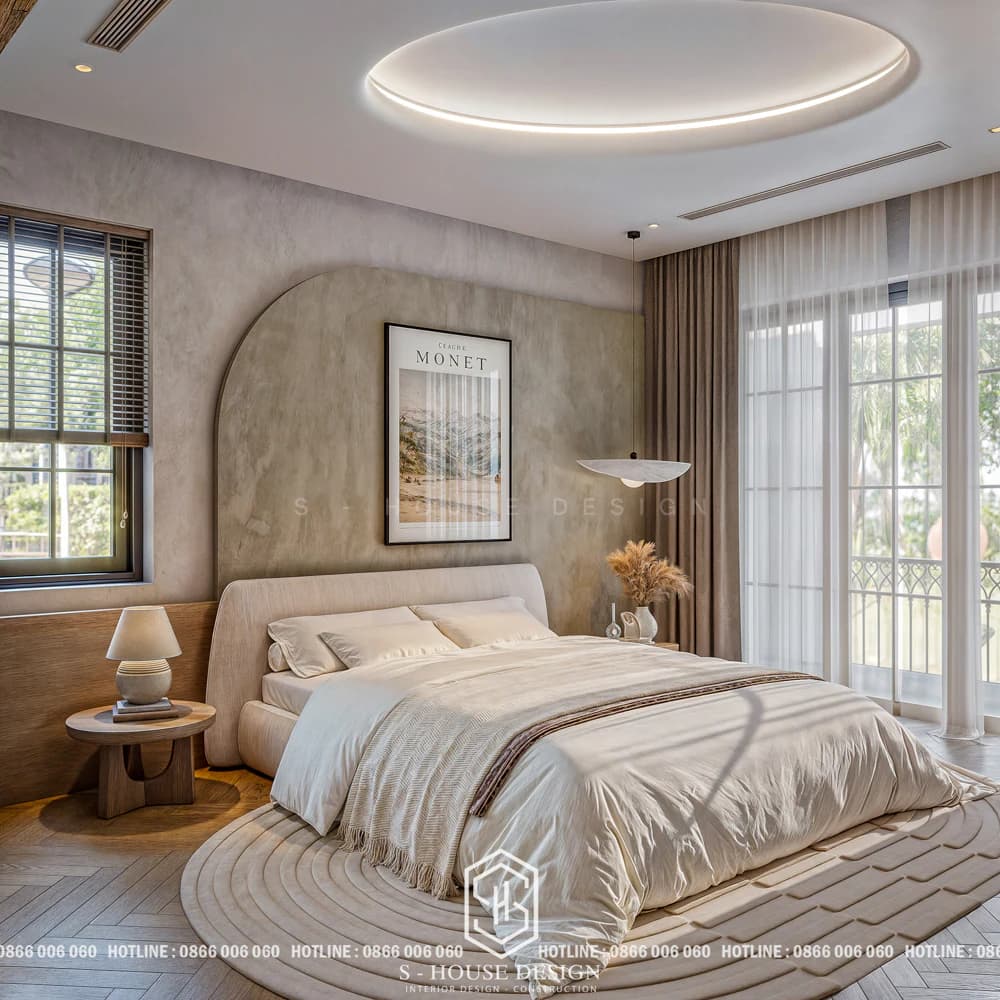
Thin curtain design makes the most of natural light
6. Zen spirit in Wabi Sabi interior design
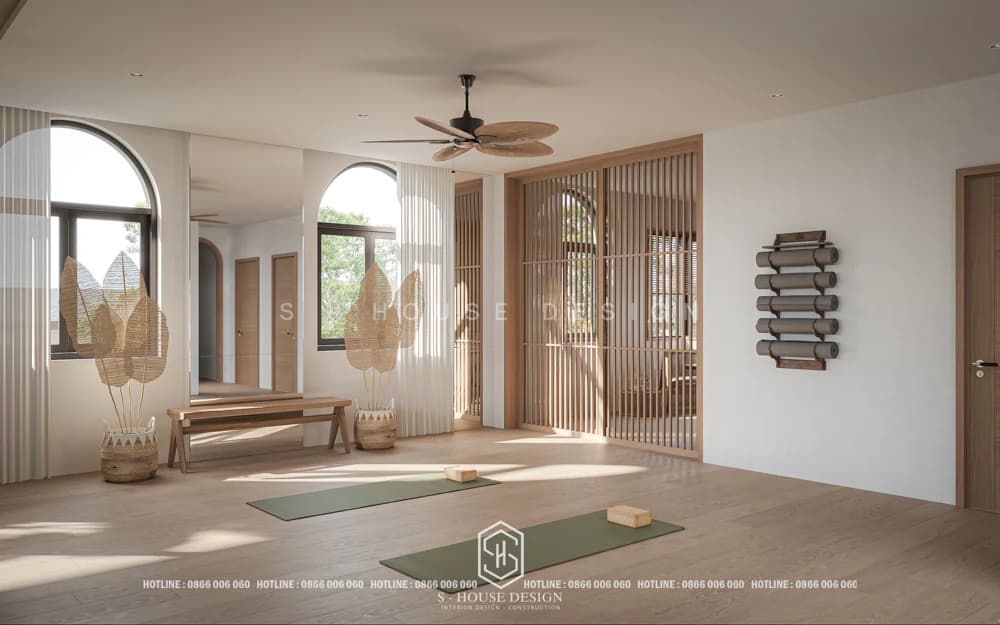
Wabi Sabi is not just about the physical space but also a spiritual experience. The space is designed to foster stillness, encouraging introspection and reflection. Every corner of the room, every item is deliberately arranged, creating flexibility and connection with the surrounding environment. Ornamental plants, stones, and details reminiscent of nature are brought into the living space, blurring the boundary between indoors and outdoors.
What are the advantages of Wabi Sabi style interior design?
The simple Wabi Sabi style interior design trend with nature as the main theme is being chosen by many people. Below are the advantages of interior design in Wabi Sabi style:
+ Create a simple but impressive living space by eliminating unnecessary elements.
+ Using natural raw materials to create a living space close to and connected to nature.
+ Wabi Sabi style brings uniqueness to the home through understanding the meaning of each item and purposeful arrangement
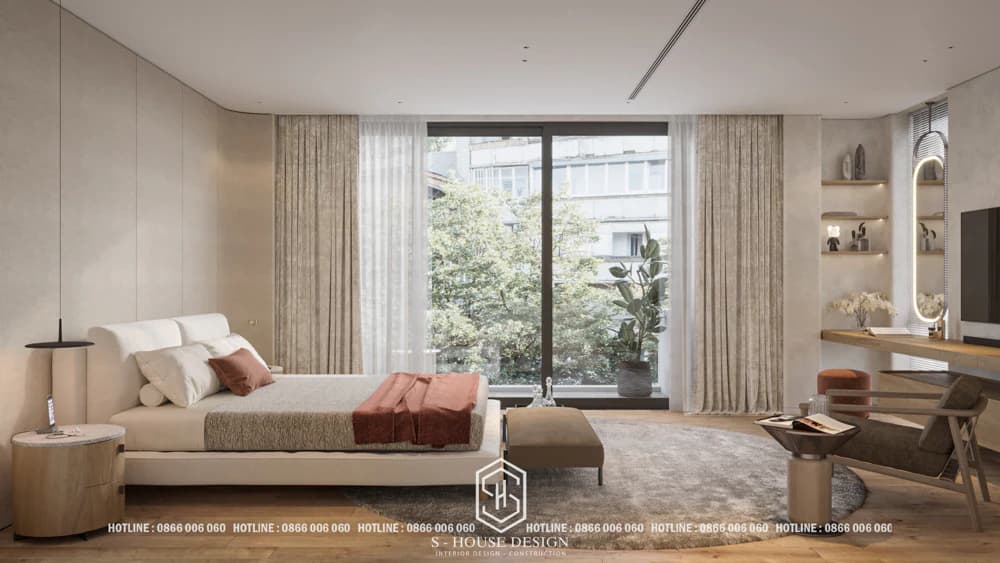
Natural light is optimized through the glass door system
Wabi Sabi interior style for each space
Wabi Sabi style needs to ensure overall uniform color and size to harmonize the space between furniture and lighting. Below are interior design ideas for living room, bedroom, kitchen and bathroom in Wabi Sabi style:
1. Living room in Wabi Sabi style
The living room interior is designed in Wabi Sabi style with rough textured plaster walls creating a feeling of intimacy, while wooden floors and furniture combining natural fabrics, original wood, and a few metal accents bring a minimalist space, honoring pristine beauty while still being cozy.
Homeowners can design an open space, connecting the living room and dining room areas to create an airy and convenient living space.
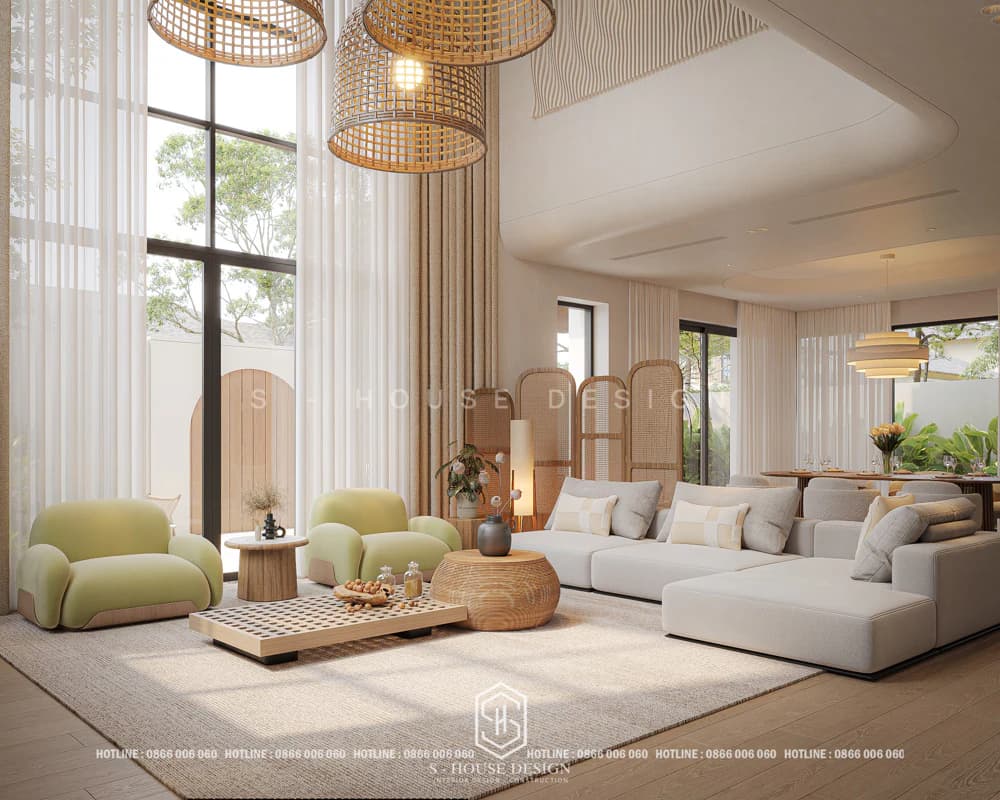
The Wabi Sabi style living room optimizes natural light, and the unique carpet is the highlight
Simple living room with pastel colors as the main theme
2. Wabi Sabi style bedroom
The Wabi Sabi style bedroom is designed with uniform neutral tones, in harmony with the overall color palette of the house, emphasizing the gentleness and peace typical of the Wabi Sabi style. Natural materials such as raw wood, linen or cotton are used to create a cozy and intimate feeling.
The design takes maximum advantage of natural light through large glass doors or windows with thin curtains to create ventilation. Architects will fine-tune the appropriate lighting system for the bed area to create a comfortable resting space.
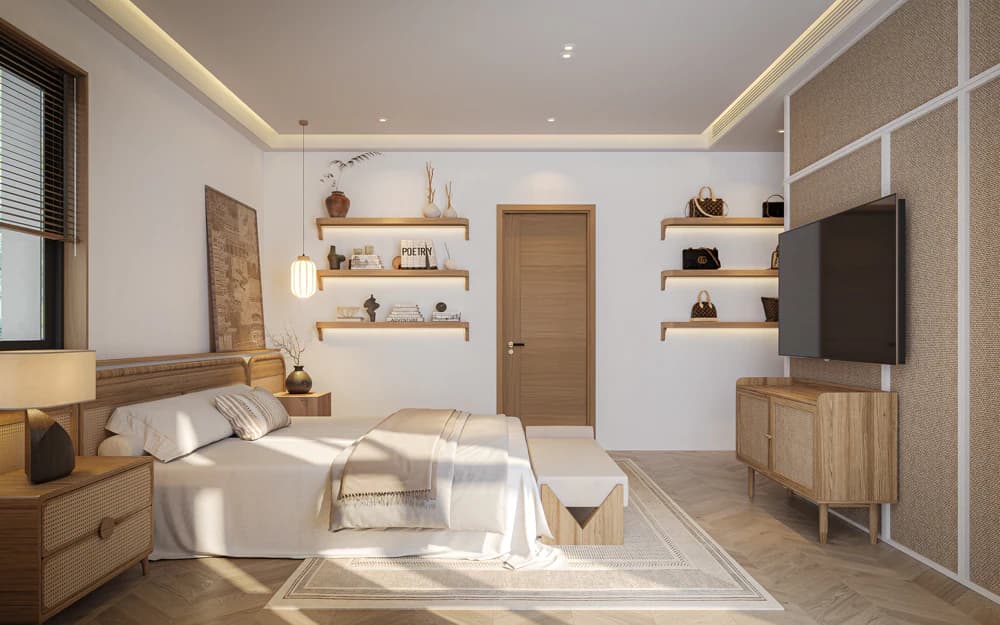
Wabi-sabi bedroom with simple wooden furniture optimized for natural light
Wabi Sabi style bedroom brings a feeling of comfort and peace
3. Wabi Sabi style kitchen
Wabi Sabi style kitchens are often designed in open space, using curves to create softness on walls painted with rough cement or plaster effects. Interiors are often streamlined to the maximum, using only truly necessary items such as kitchen shelves and wooden cabinets.
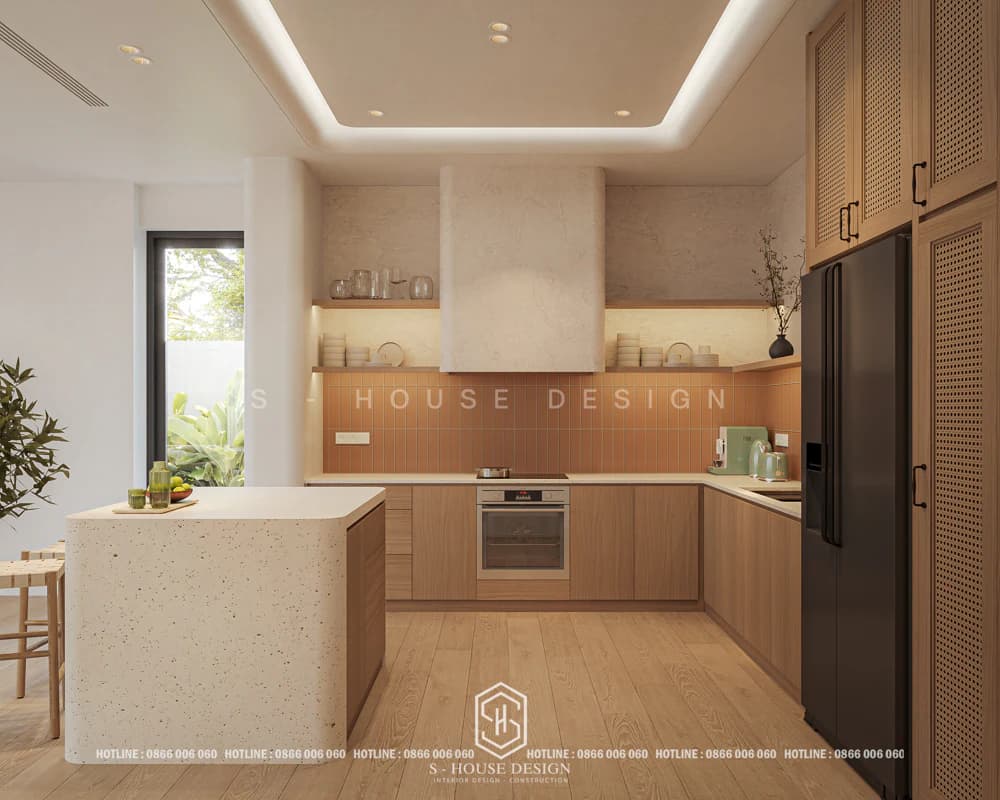
Japanese style kitchen uses natural wood materials
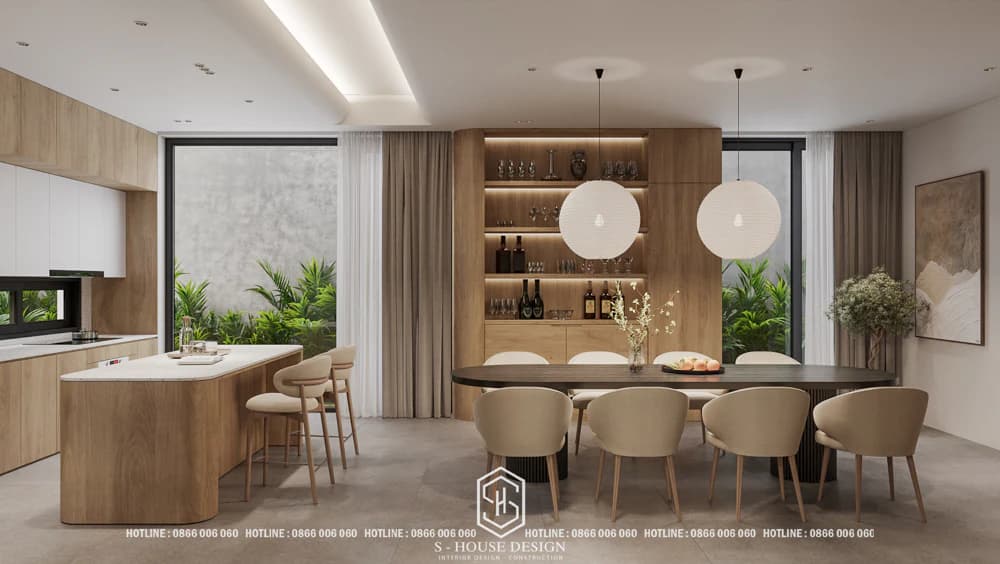
4. Wabi Sabi style bathroom
Wabi Sabi style bathrooms are designed with neutral colors such as white, gray, wood brown and black. Using furniture made from natural materials such as rough stone, natural wood and unglazed ceramics is both rustic and intimate, creating a private bathroom space, while still meeting the required amenities.
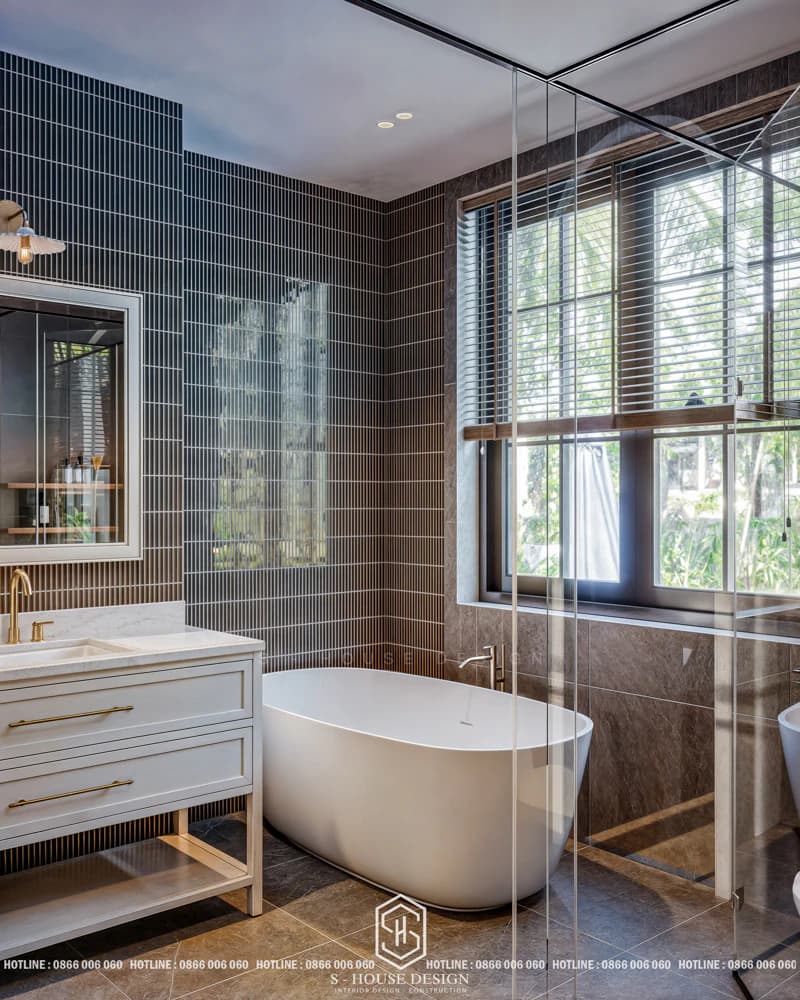
The creative interior design also adds sliding doors that open to the garden, providing a direct connection with nature.
The Wabi Sabi style bathroom space is full of relaxation with the main rustic color scheme
Things to note when designing interiors in Wabi Sabi style
To create an ideal living space according to Wabi Sabi interior design style, here are some notes:
+ Avoid placing too many pieces of furniture and decorations, keep the space neat and minimalist.
+ Avoid using bright colors and complicated details, which will take away the rustic beauty.
+ Avoid using decorations that are too perfect in every detail, leave a little unevenness and imperfection to create sophistication and uniqueness.
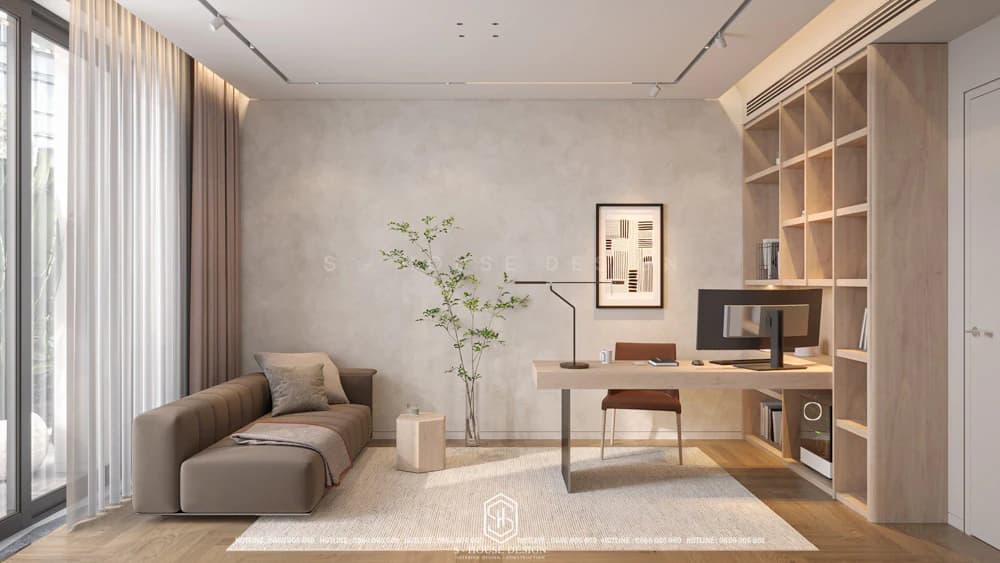
Some notes when designing in Wabi-sabi style
Frequently asked questions about Wabi-sabi style
What is the difference between Wabi-sabi and minimalism?
Minimalism style often aims to create a living environment that is simple, neat and in harmony with the natural world. Meanwhile, Wabi Sabi is aware of the interdependent relationship between nature and humans, thereby seeking to create a balance between these two elements.
Can Wabi-sabi style be combined with other design styles?
The answer is Yes. The modern trend of wabi-sabi has gone beyond the borders of Japan, spreading globally as a philosophy of life and aesthetics. It is skillfully combined with Scandinavian, Minimalism or Farmhouse applied in urban apartment designs and green, sustainable architecture. Typical examples such as wooden tea tables repaired with gold (kintsugi), or rustic pillows and rugs, have become symbols of a lifestyle that respects nature and imperfection.
Wabi Sabi design not just a style, but also a philosophy of life, affirming beauty in simplicity, imperfection and honoring the authenticity of materials and people. It affirms that beauty does not lie in perfection, but in authenticity, in the ability to accept change and aging. Each space designed in this spirit carries with it a sense of peace, a deep connection with nature and with oneself.
Bai wrote on the of S-House has helped you understand better Wabi Sabi style. Hopefully, these shares will be ideas for you to create your family's living space. With the desire to transform living spaces and enhance customer experience, S-House Ready to accompany customers to offer the most optimal solutions in interior design and construction.
The homeowner is in need interior design consulting, please contact us now hotline 0866 006 060 or leave information via: https://nhadepshouse.com/nhan-mau-thiet-ke/ S-House will quickly contact you within 24 hours.
------------------------------
S-House Joint Stock Company - Unit ARCHITECTURAL - INTERIOR DESIGN AND CONSTRUCTION has developed strongly with a system of 4 strategic branches stretching from North to South. Confident in being a reputable and quality architectural and interior design and construction company in terms of project quantity and quality. Our team of experienced architects not only builds houses, but also creates living works of art. Let S-House turn your ideas into reality today!
Hotline: 0866 006 060
E-mail: nhadepshouse@gmail.com
Branch system nationwide:
► In the city. HCM: No. 280A1, Luong Dinh Cua Street, An Phu Ward, District 2, Ho Chi Minh City
► In Nha Trang: No. 62A - 62B, Phan Chu Trinh Street, Van Thanh Ward, City. Nha Trang, Khanh Hoa
► In the city. Vinh: No. 19, An Duong Vuong Street, Truong Thi Ward, City. Vinh, Nghe An
► In Hanoi: D49-01 LK7 Geleximco Le Trong Tan, Ward Duong Noi, Hanoi


