















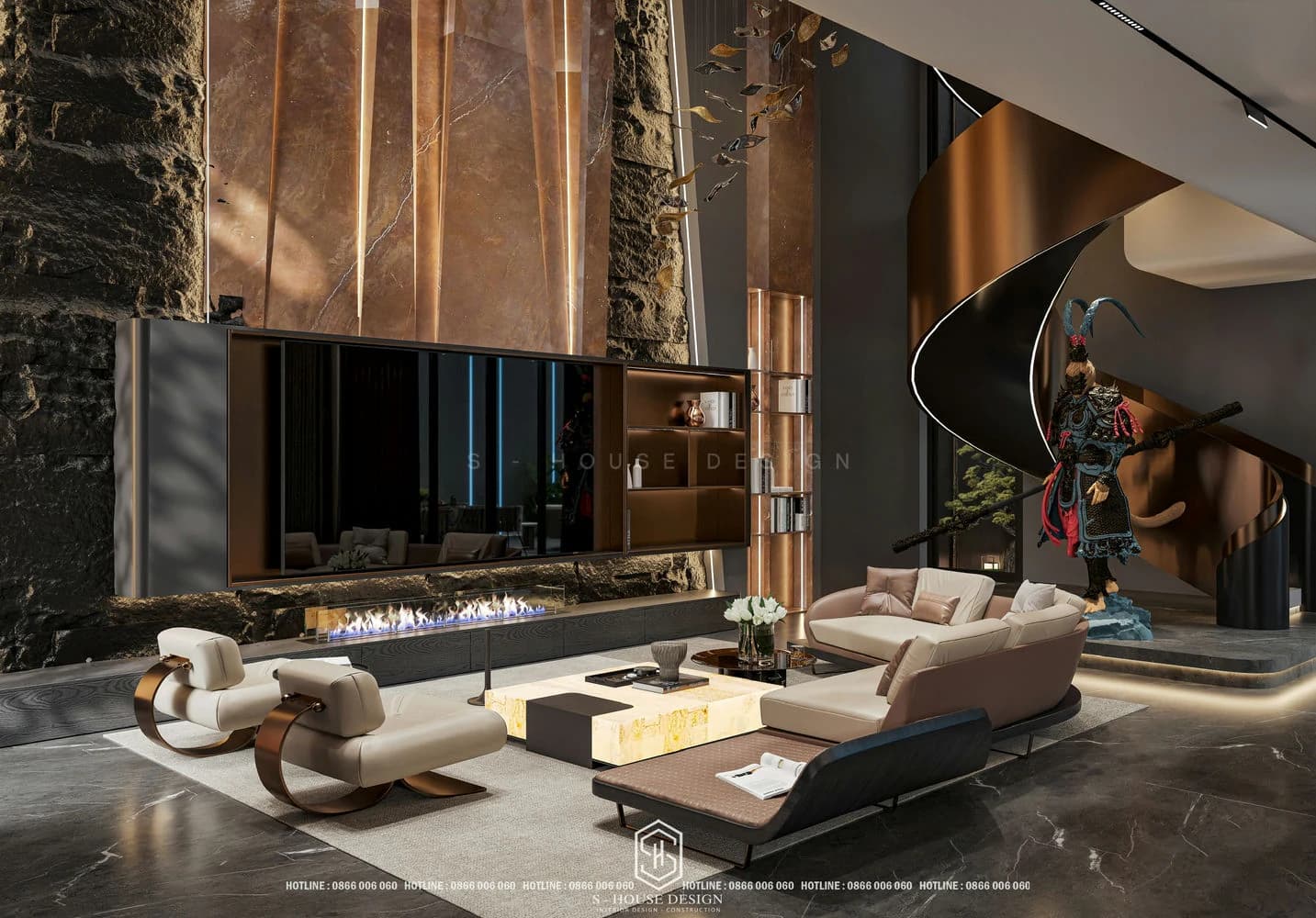
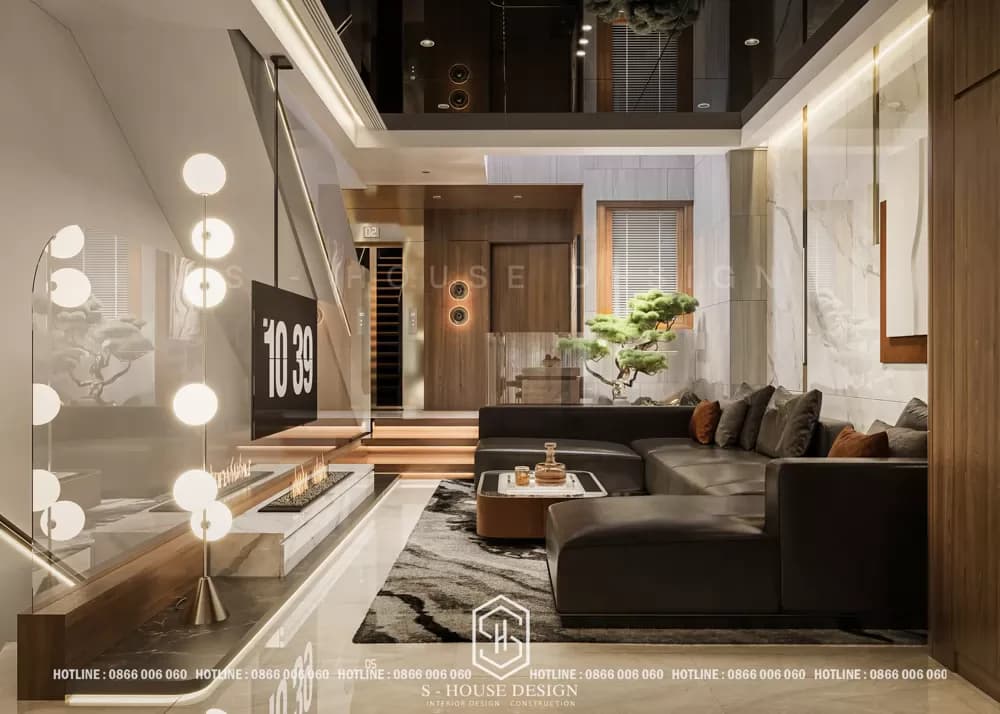

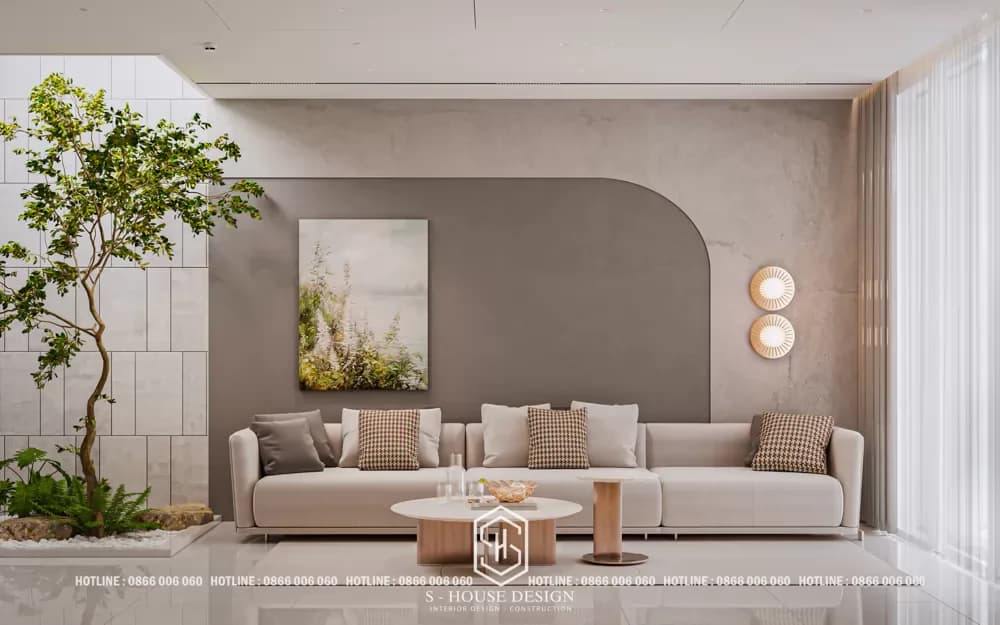
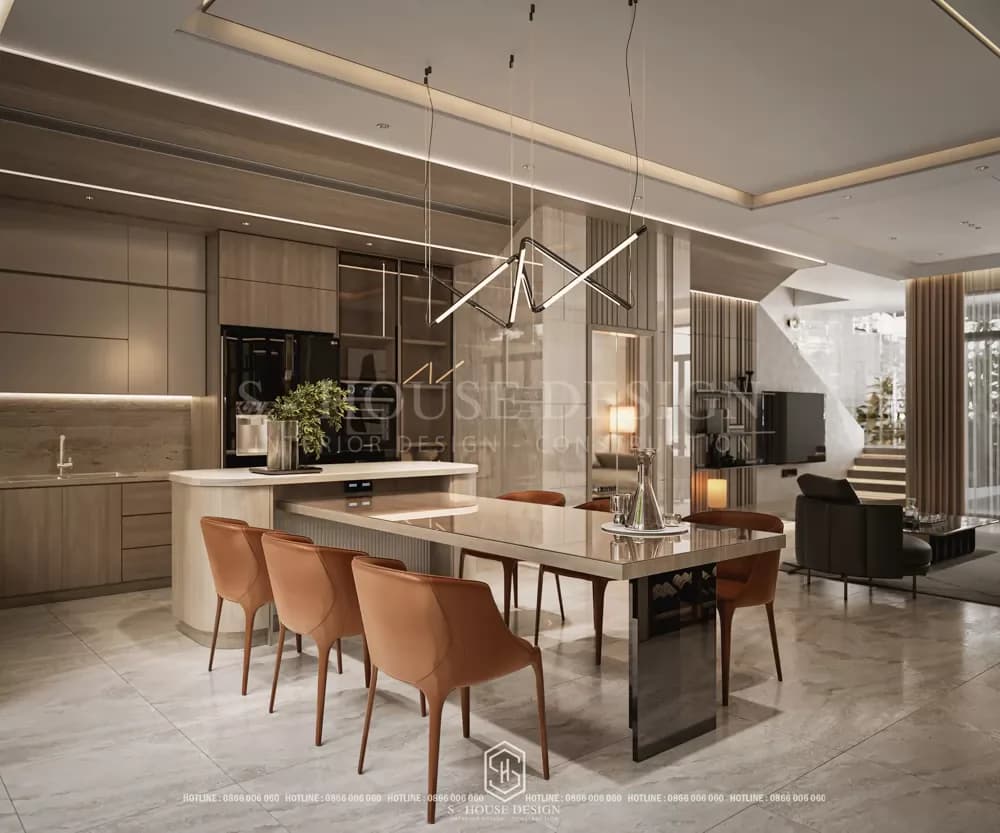
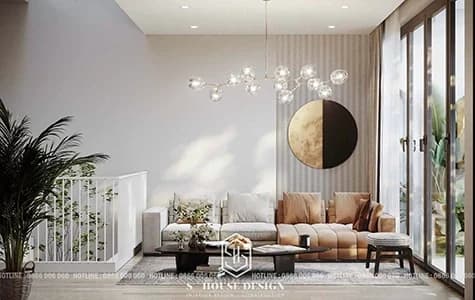
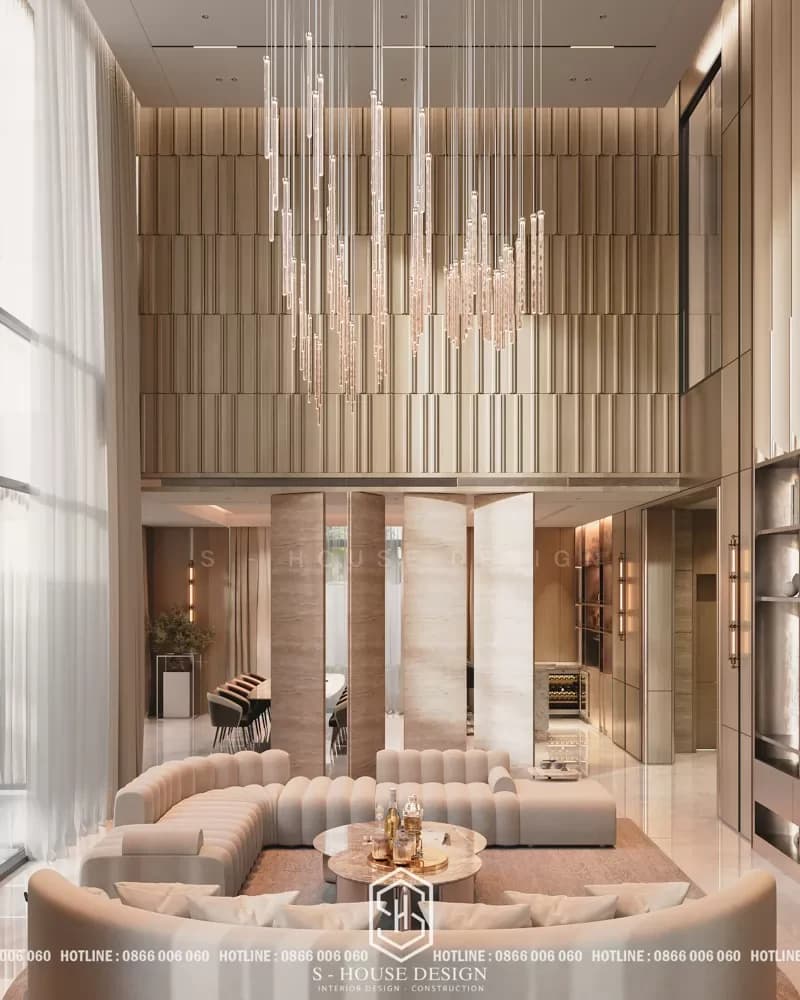


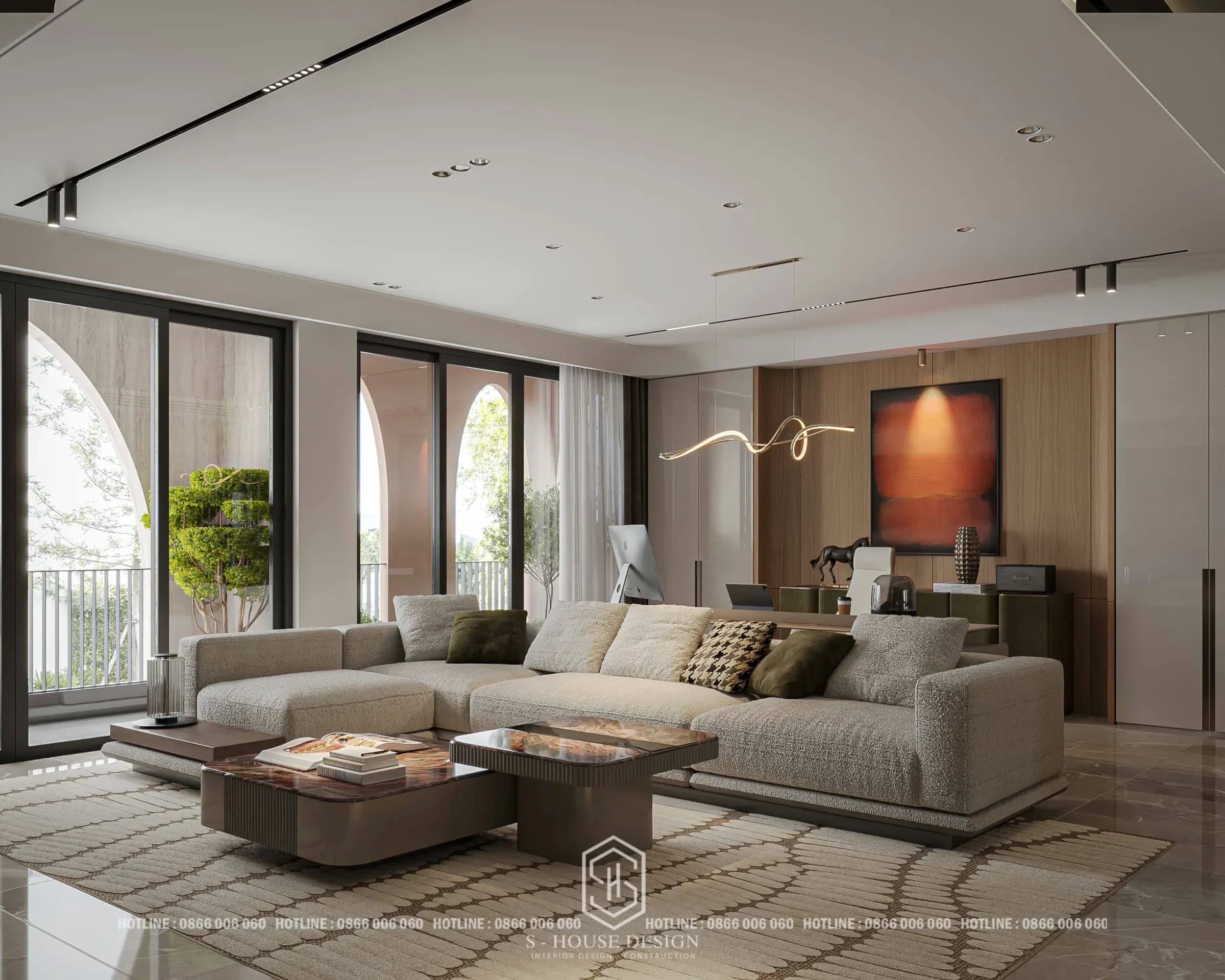
Modern interior style continues to be a choice that many homeowners are interested in when designing their living space. If you are wondering where this style comes from, what characteristics it has and why it has retained its appeal over the decades, the article below from S-House will help you have the most complete and realistic view.
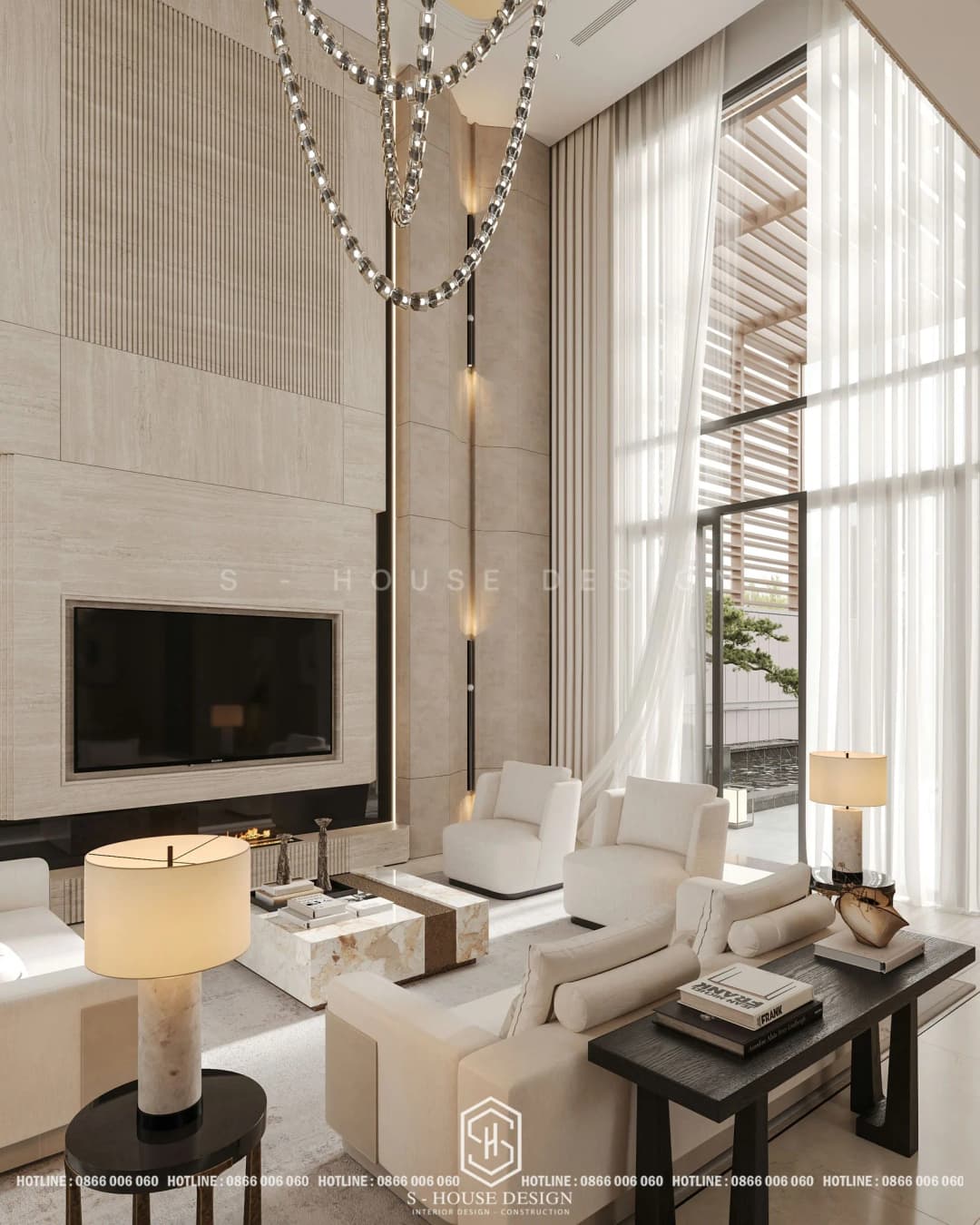
1. What is modern interior style?
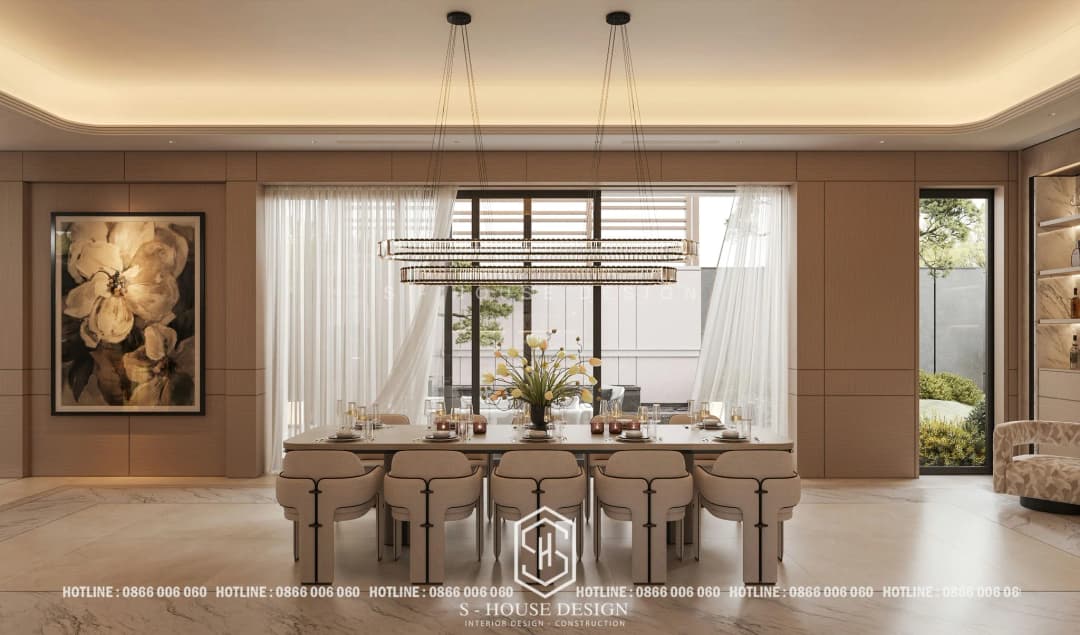
Modern interior style (Modern Style) is recognized by its crisp lines, clear shapes and restrained color palette, often leaning towards neutral or monochrome tones instead of elaborate patterns. The main materials of this style are concrete, glass and steel - industrial materials that are delicately processed to create a neat, modern feel. Spatial layouts are often freely organized, asymmetrical, and eliminate decorative details that do not serve function.
In other words, Modern interior design is a step away from classical decorative thinking, towards intentional minimalism, not monotony.
2. Origin of modern interior style
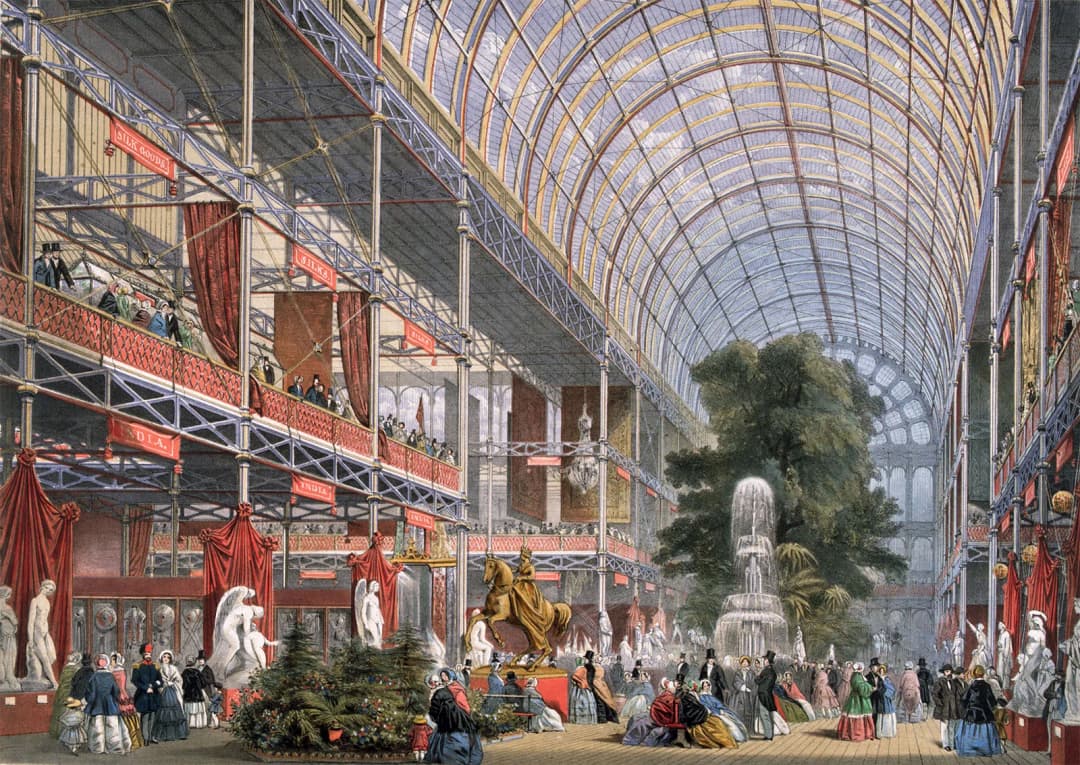
The formation of modern style is associated with major movements in the history of architecture. In 1851, Crystal Palace project in Hyde Park, London (UK) Designed by architect Joseph Paxton, it is considered one of the first milestones that paved the way for modern architectural thinking, using glass and steel on a large scale for the first time.
By 1919, the Bauhaus school in Germany systematized the principles of this style: promoting functionality, minimizing decorative details and prioritizing clarity in composition. From that foundation, modern interior gradually becomes a popular design language globally, bringing a feeling of airiness and comfort to living spaces.
3. Outstanding features of modern interior style
3.1. Colors in modern interior design
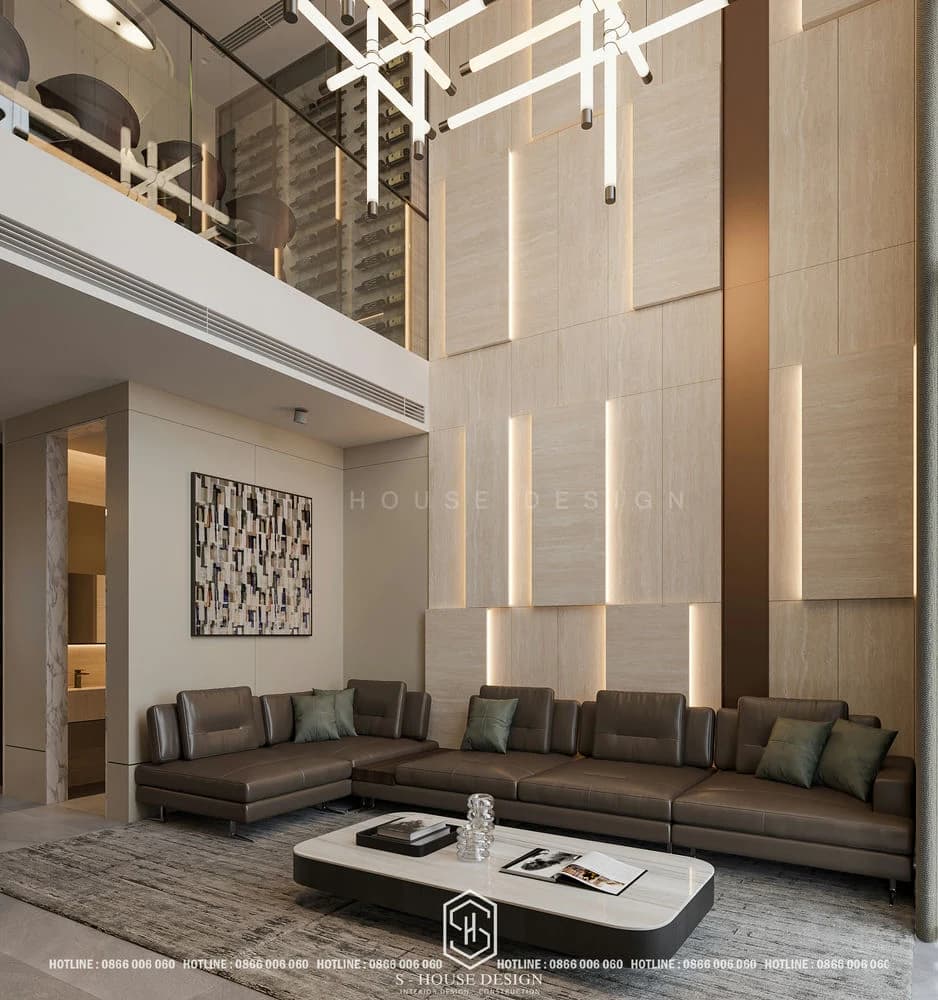
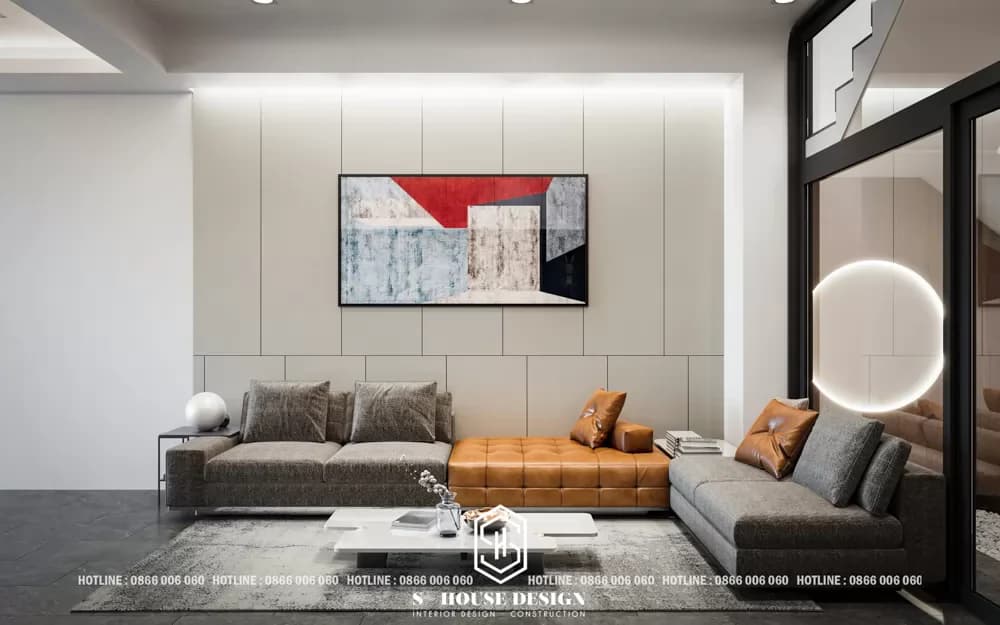
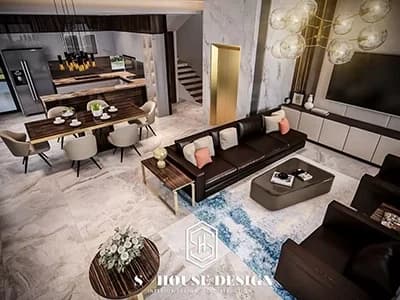
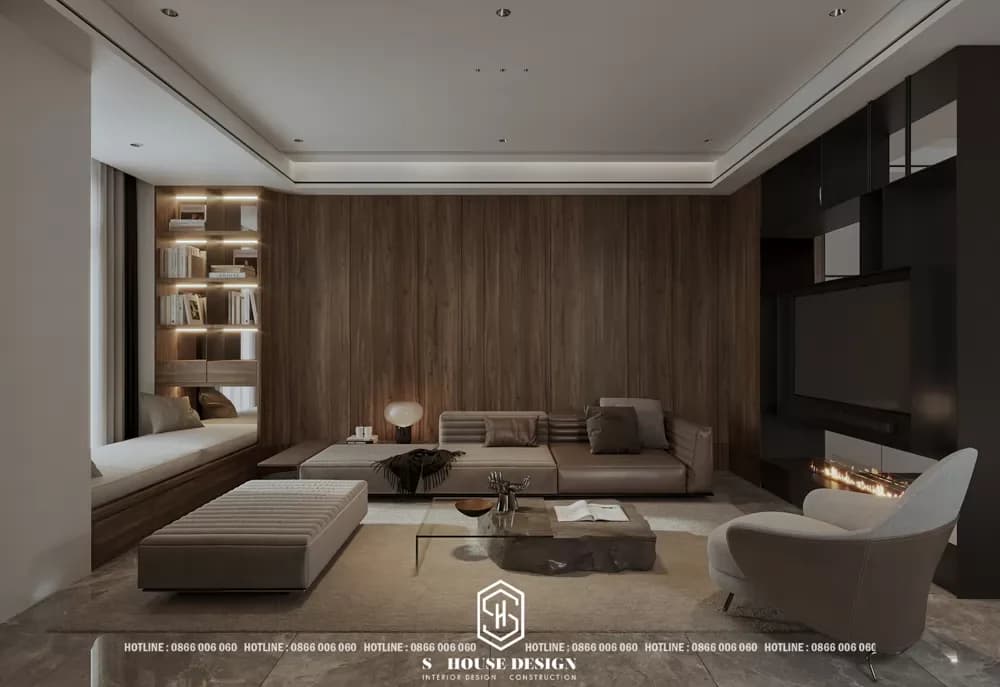
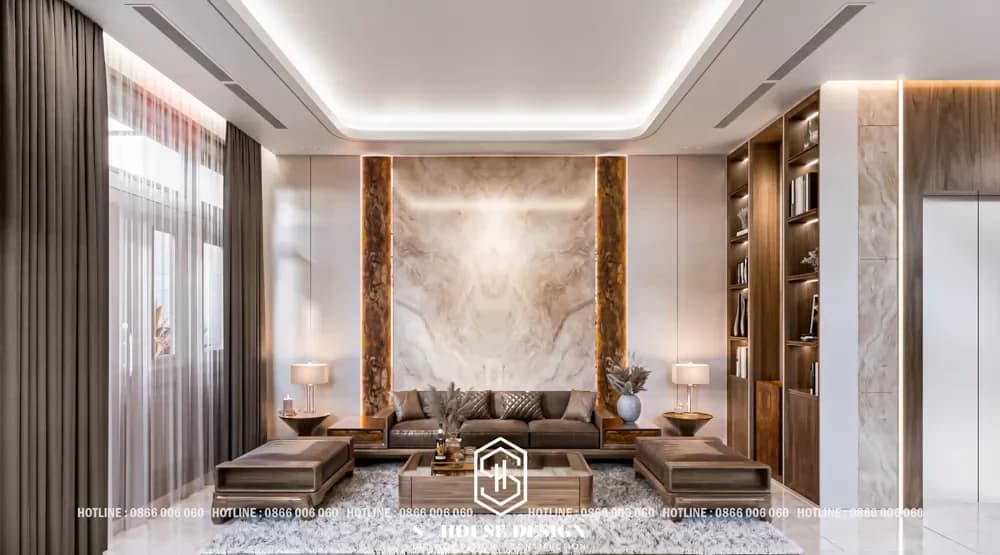
The color palette of modern style favors moderation: white, beige, deep brown and black are the preferred background colors. Instead of using color for decoration, architects use color to highlight the shapes and lines of the interior.
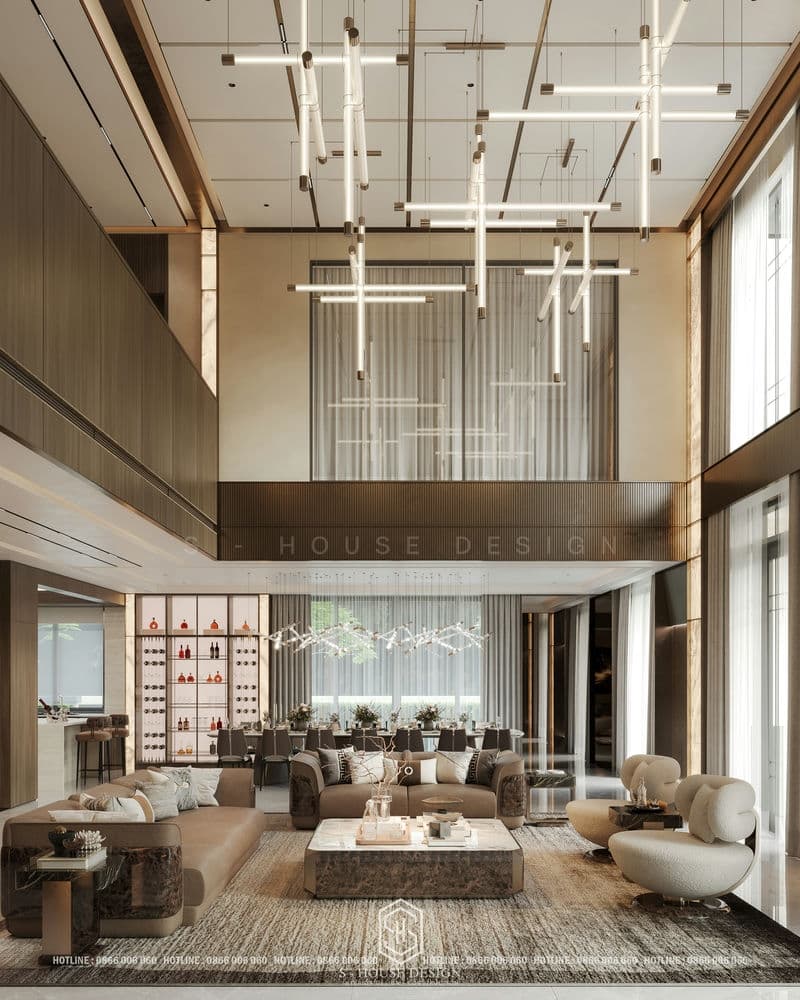
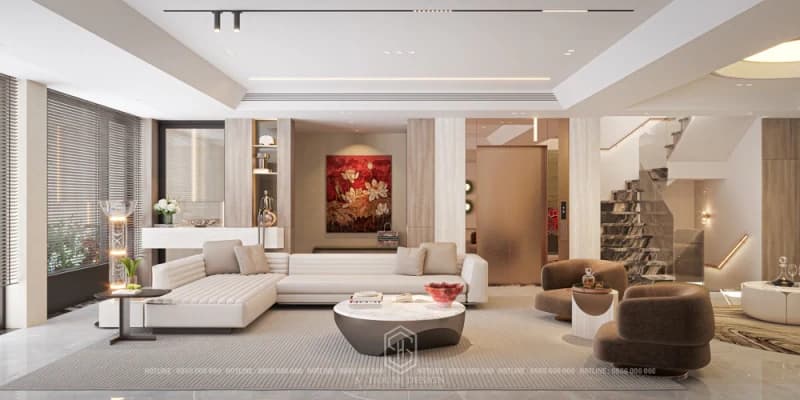
This does not mean that modern style is limited to neutral tones. Homeowners can absolutely add prominent colors such as red, yellow or orange as accents, as long as the main color tone is kept throughout so that the space does not look disjointed.
3.2. Materials used
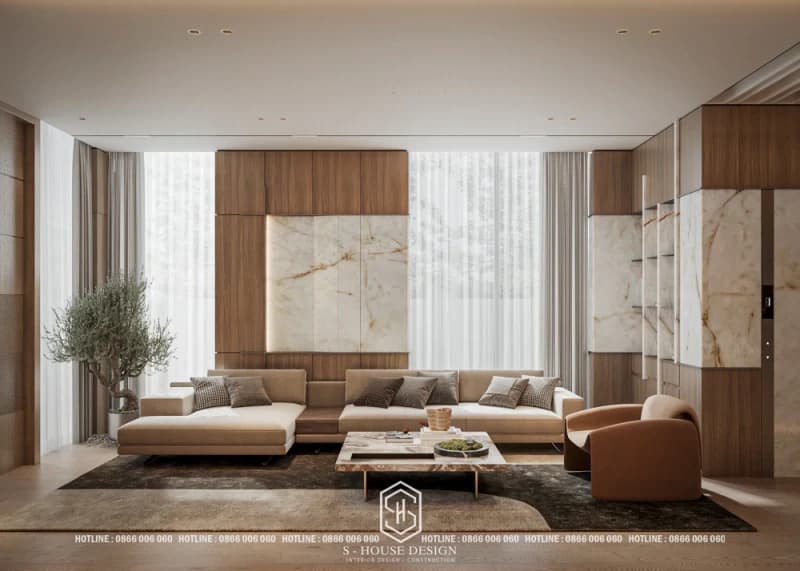
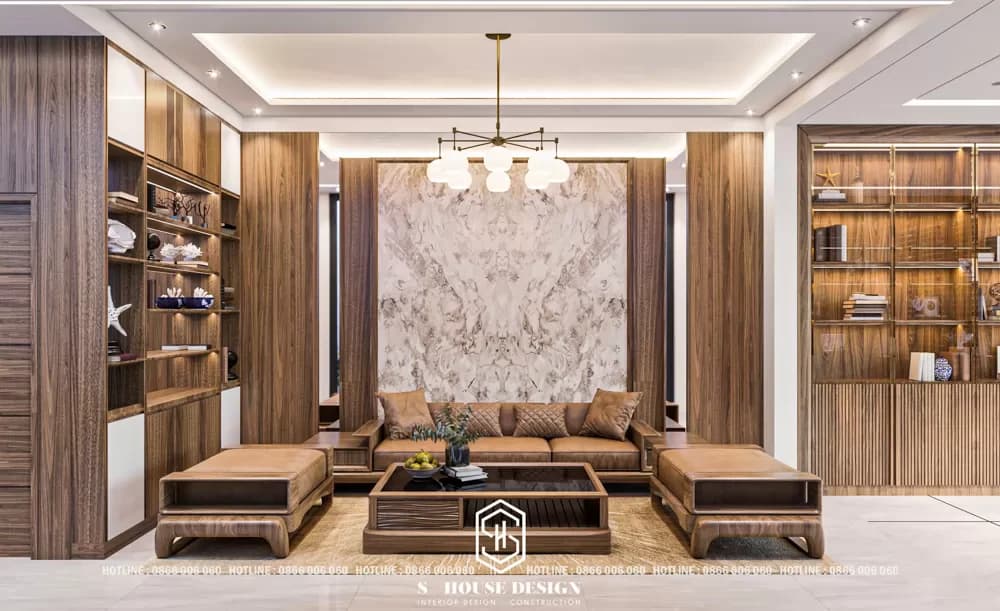
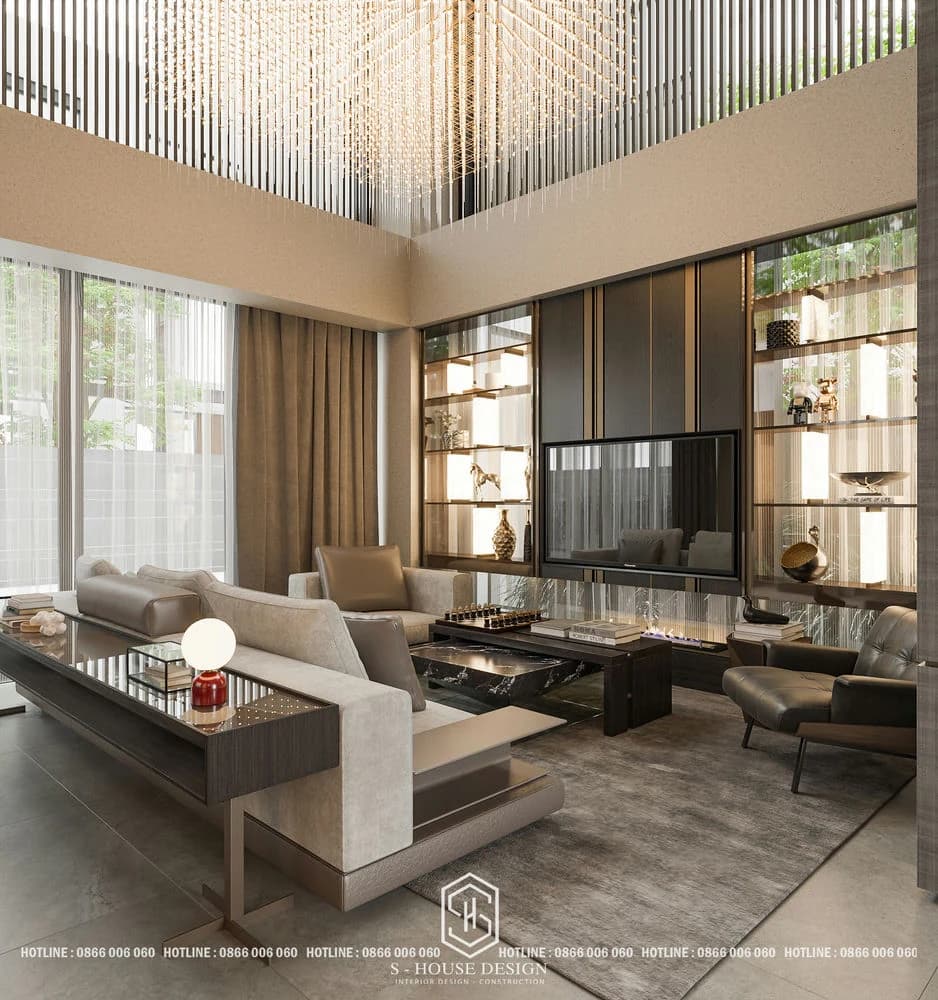
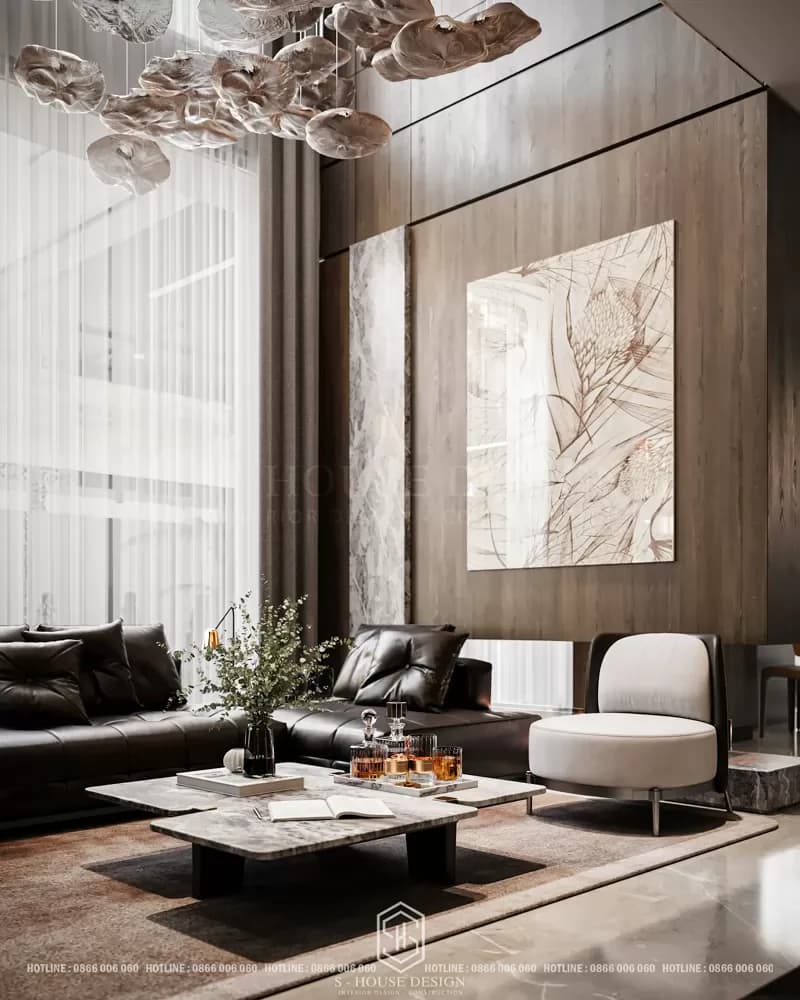
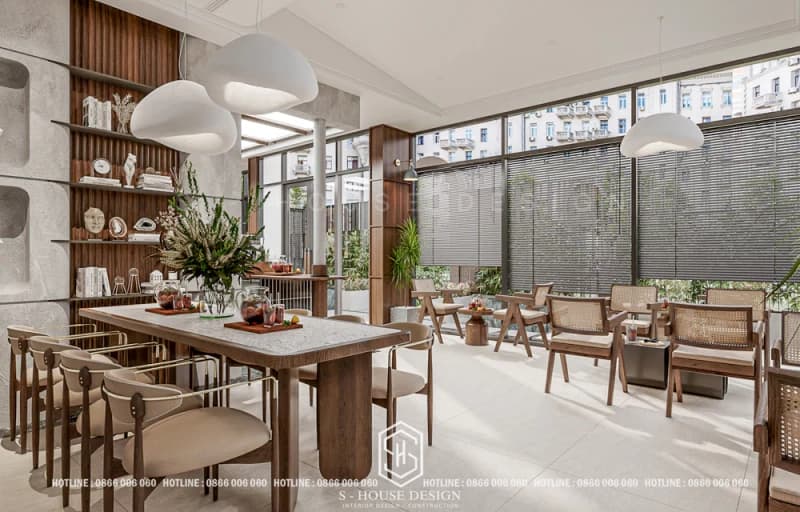
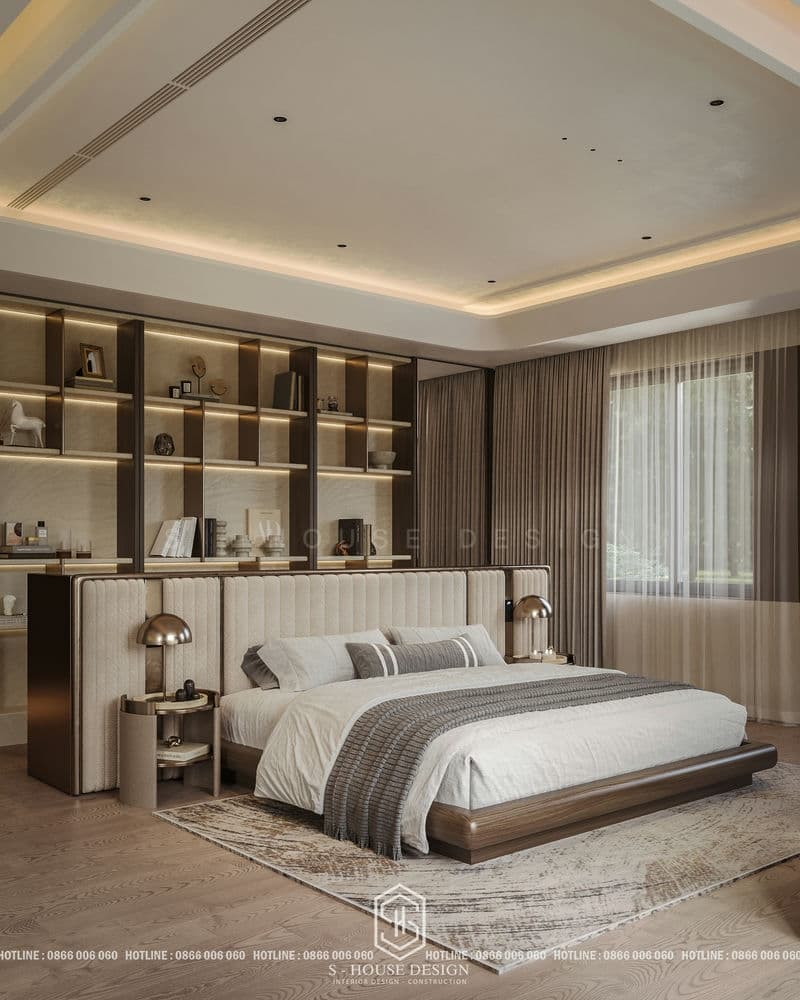
Glass, chrome, concrete and wood are materials commonly found in modern interior projects. The combination of industrial and natural materials, when properly processed, creates a subtle and sustainable visual effect over time — this is also the material approach that S-House applies to its high-end villas and townhouses.
3.3. Modern interior uses open space
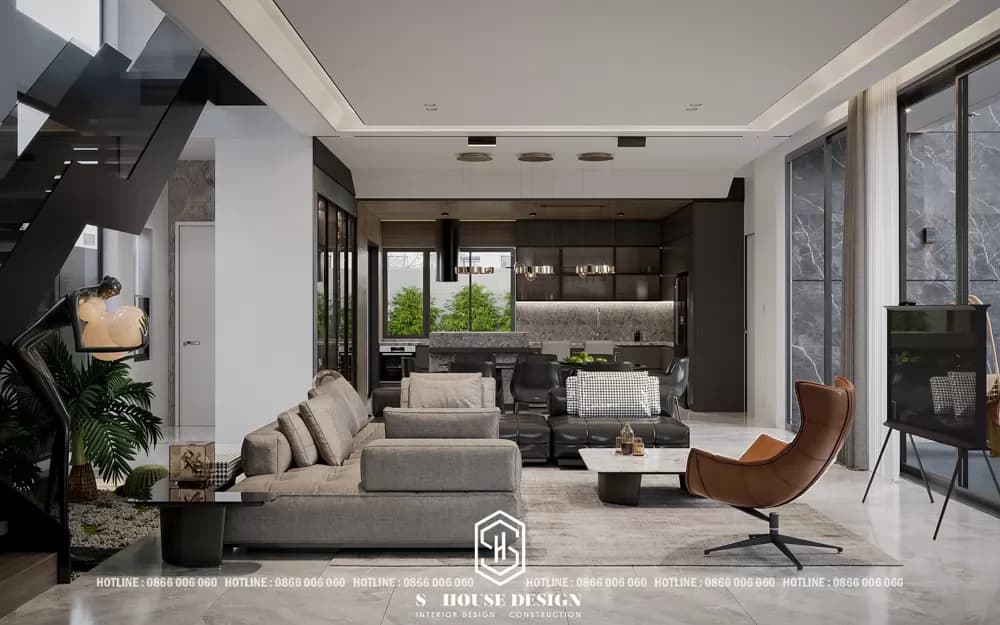
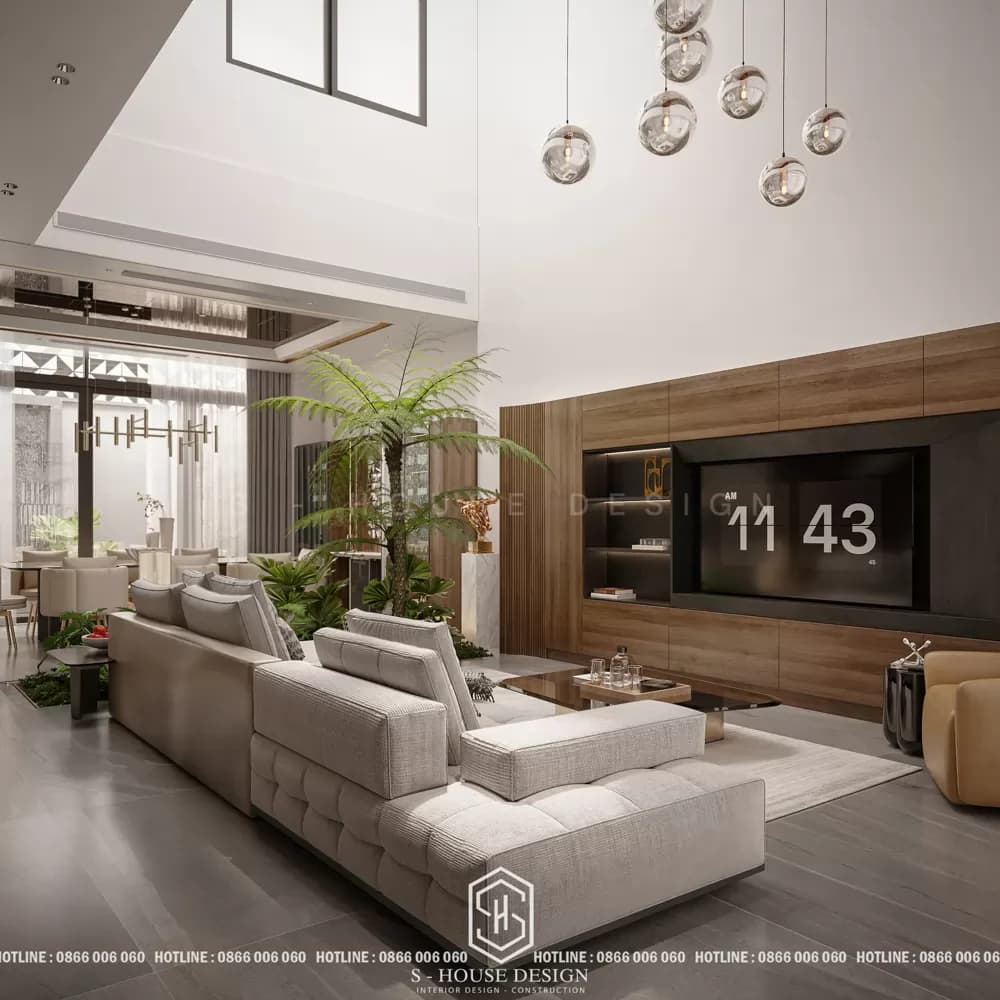
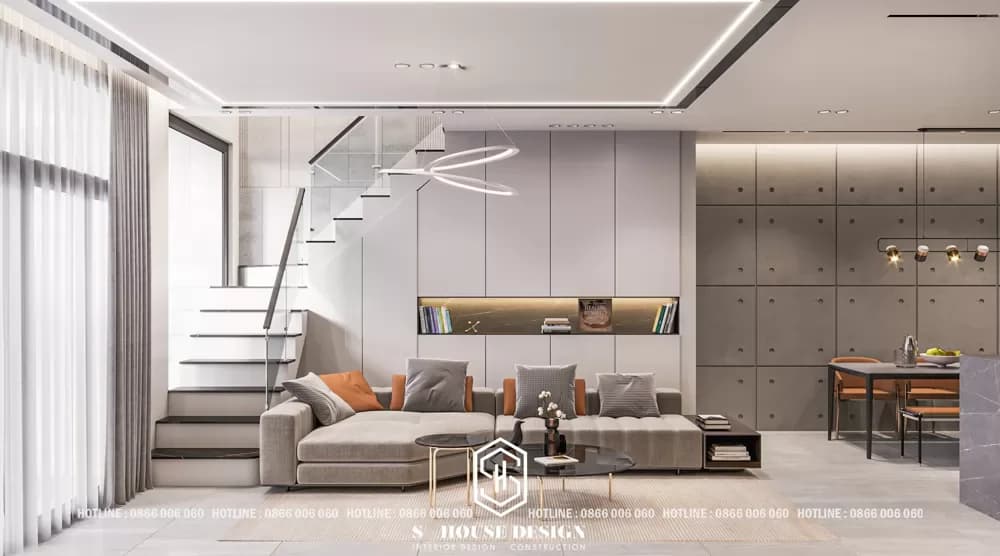
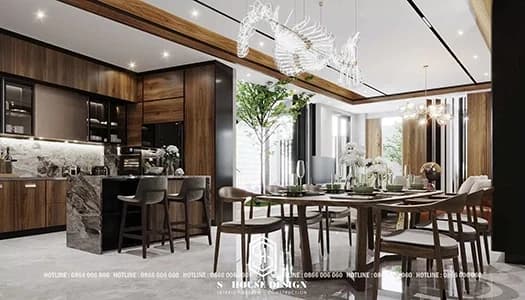
One of the important principles of modern style is the elimination of unnecessary partitions. Combining the kitchen and living room space into one connected block not only makes the house more spacious visually but also optimizes the area used for other functional areas.
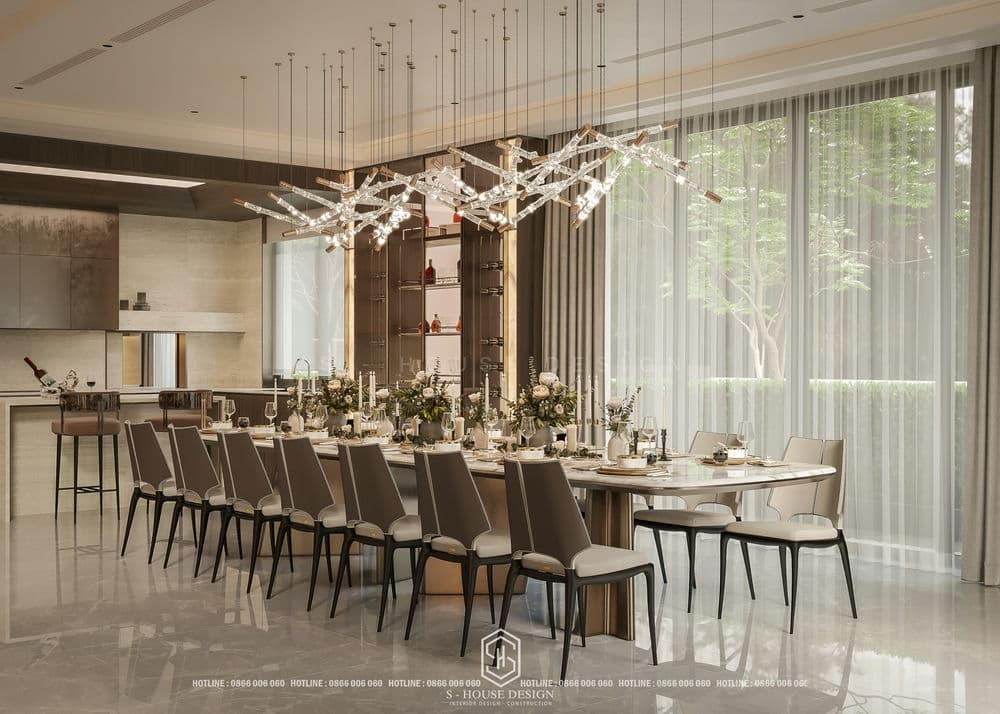
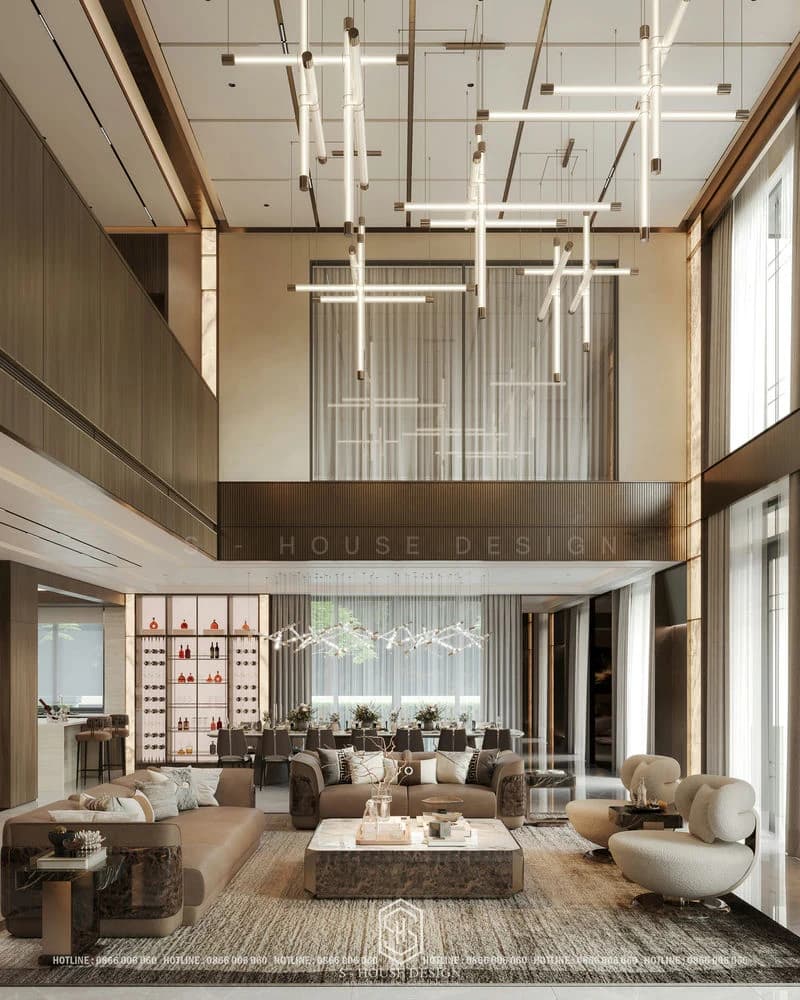
Open space in modern style does not mean lack of organization — on the contrary, functional areas are still clearly delineated through floor materials, lighting or ceiling height.
3.4. The interior is carefully selected
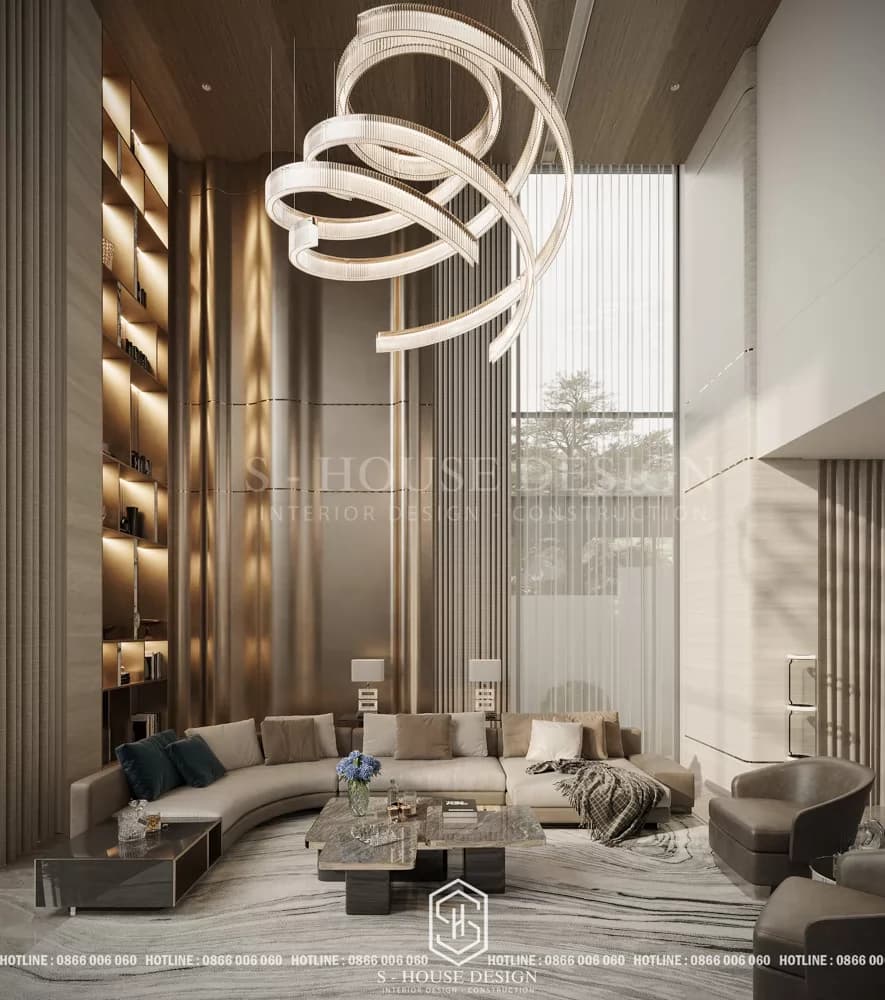
Furniture in modern style not only serves function but also acts as a purposeful decorative detail, reflecting the homeowner's aesthetic taste. Simplified lines, clear color contrasts and smooth finishes are the factors that help the furniture "speak" without being ostentatious.
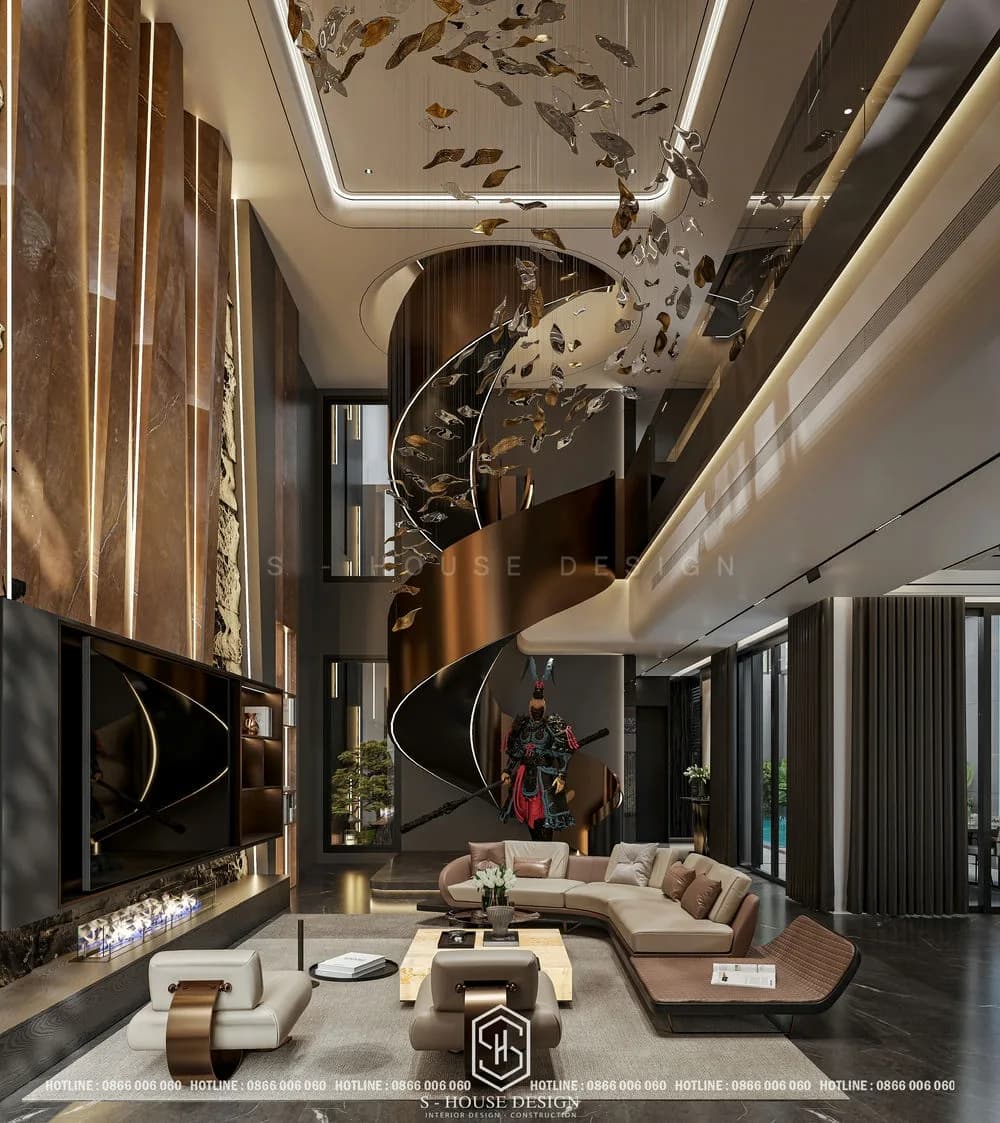
3.5. Space layout
Arranging furniture in a modern style requires balance between items and the overall space. The rule to keep in mind is to avoid arranging too densely - a truly modern space always leaves the necessary space for the viewer's eyes to have a place to "rest", avoiding the feeling of being cramped and stuffy.
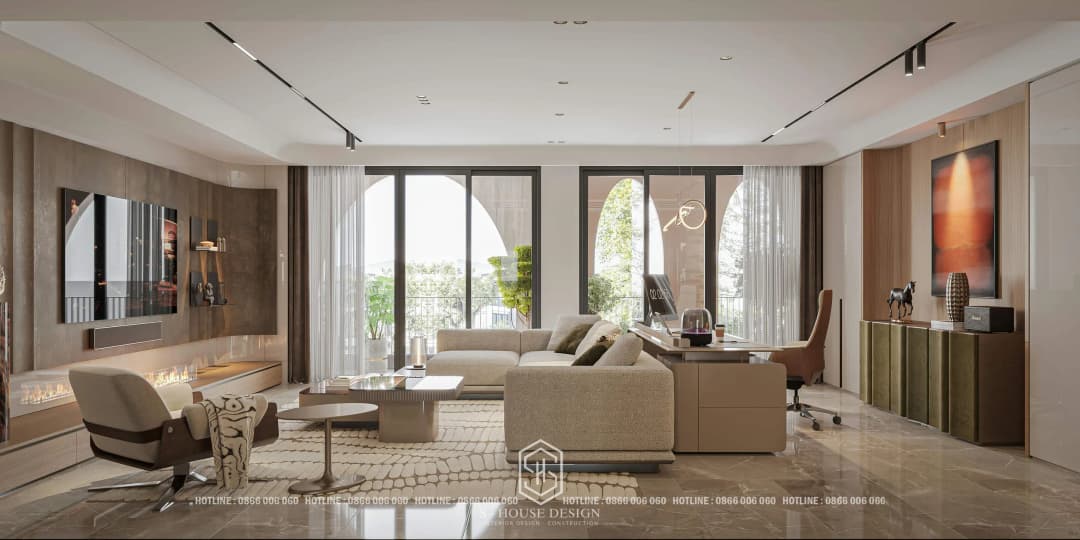
3.6. Natural light is a key factor
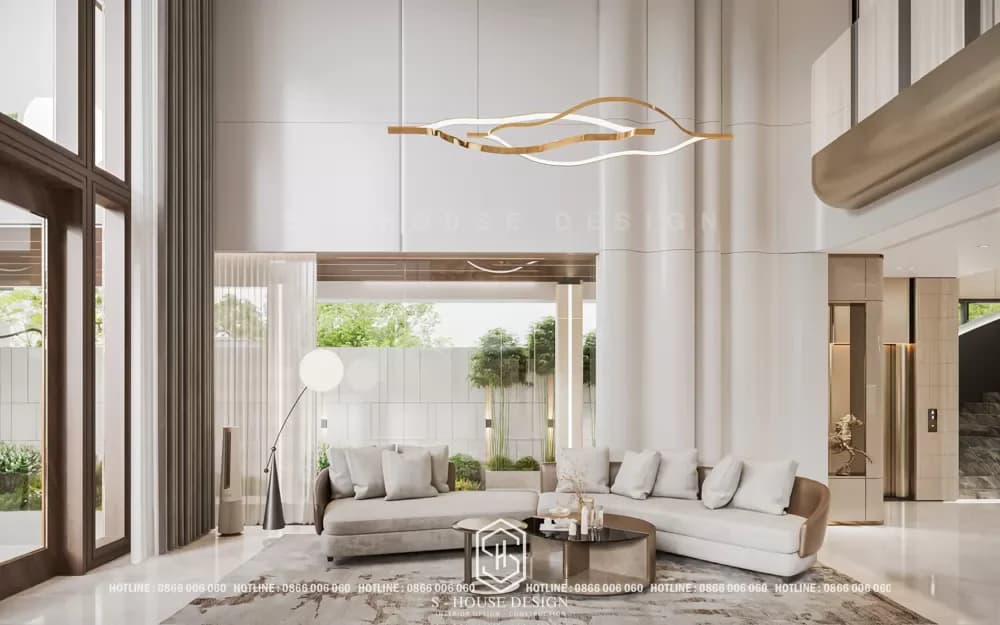
Light, especially natural light, plays a central role in modern interior style. Large glass door systems combined with thin curtains are often preferred to maximize the amount of light entering the house, while creating a depth effect for the space at different times of the day.
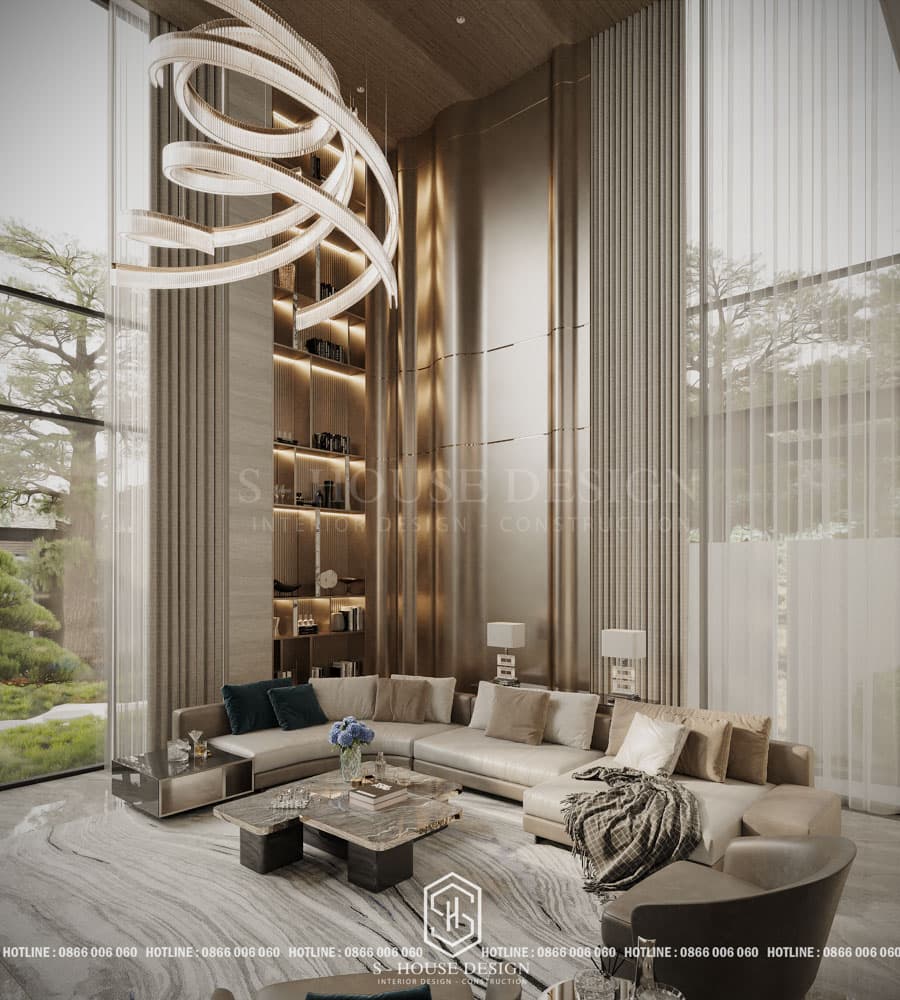
3.7. Patterns are kept to a minimum
Contrary to classical or neoclassical styles, which favor elaborate cornice patterns, modern style almost eliminates decorative motifs. The absence of cumbersome details is the factor that helps the space exude a streamlined look and have its own aesthetic depth.
3.8. Space for creativity
Although promoting minimalism, modern style still leaves a lot of room for personal creativity — from combining materials, choosing colors to arranging furniture. The bottom line is that all creativity needs to follow a consistent logic, so that the overall space remains harmonious despite many personalized details.
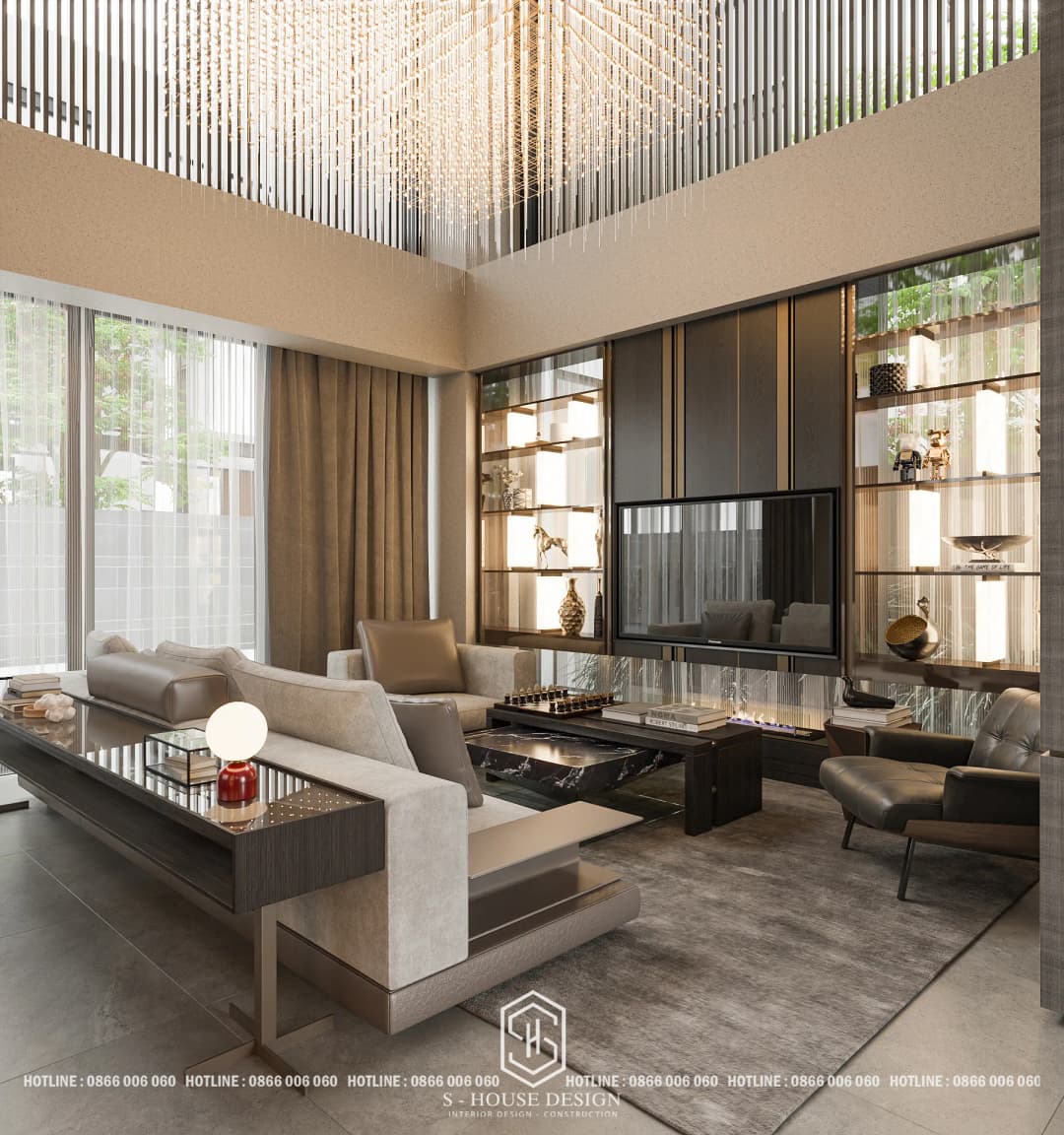
Modern interior style, with intentional minimalism and high adaptability, is a suitable choice for many types of living spaces, from apartments, townhouses to resort villas. If you are looking for a design unit with experience implementing modern style for your project, our team of architects S-House Ready to accompany you from the concept stage to completed construction.
See more:
Contact S-House for advice on interior design in a modern style suitable for your project.